Hidden water damage behind walls after a slow leak
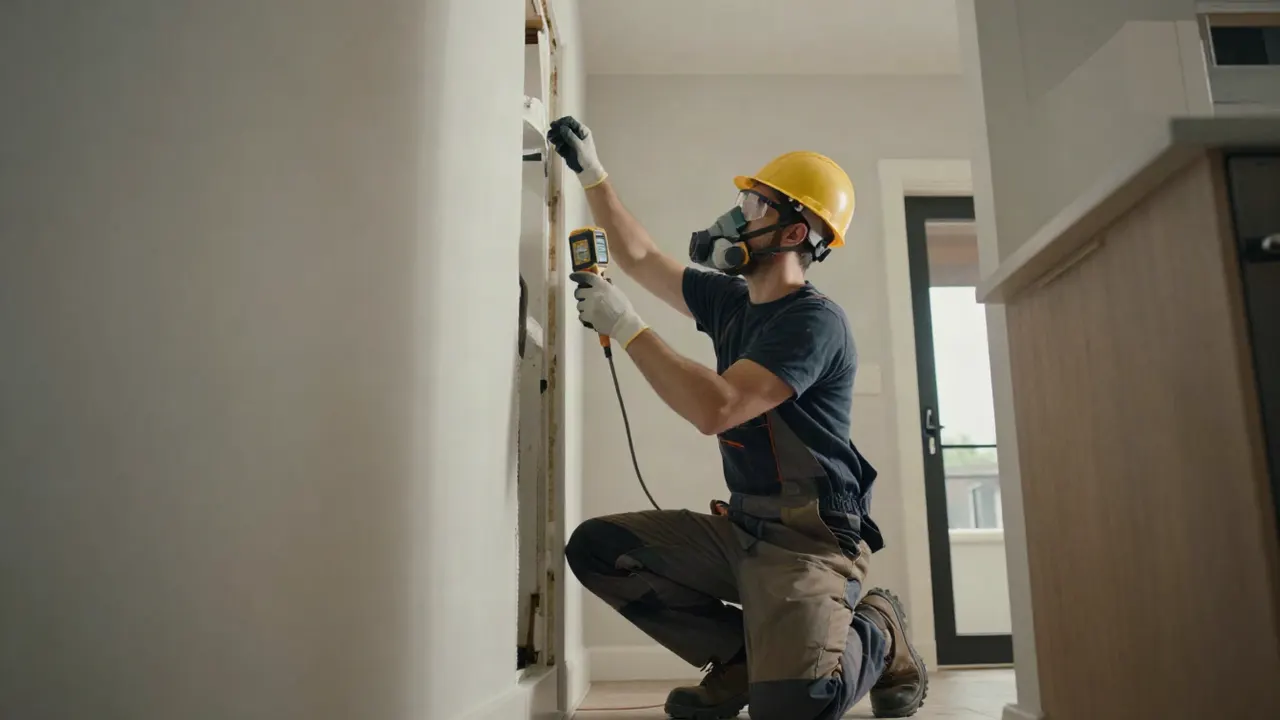
We use thermal imaging cameras and moisture meters to find water you cannot see. Once mapped, we dry the cavity with directed airflow and dehumidifiers until readings confirm the framing is dry.
Structural Drying Falls Church VA is the controlled removal of moisture from the framing, drywall, subfloor and cavities that hold a building together. When a burst pipe, slab leak or sump pump failure soaks your home, we set drying equipment the same day and track moisture readings until every material hits its dry standard. Serving Falls Church County since 2014.
Tell us what is happening. Our local team will confirm your visit shortly.
Call Now 5717604393 → No spam. No obligation. Just practical help.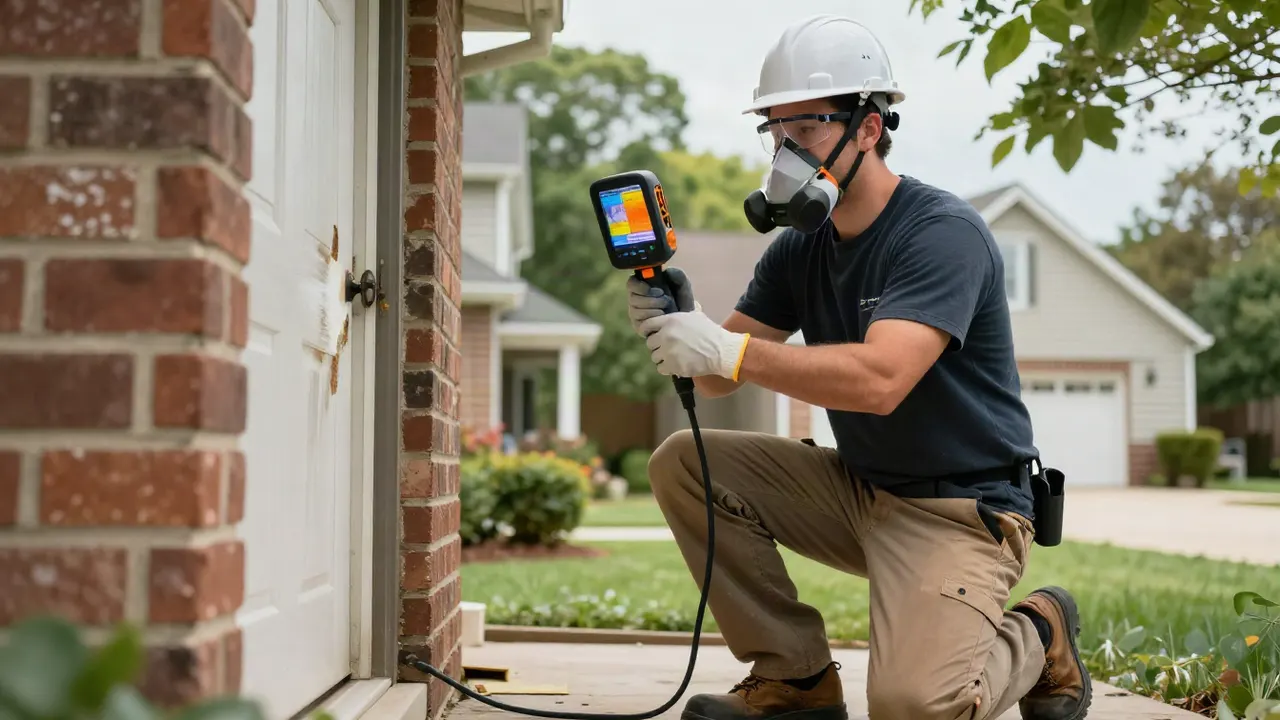
Structural drying is not pointing a fan at a wet carpet. It is a measured process that pulls moisture out of the materials that give a building its shape: wall studs, drywall, subfloor, joists, insulation and hardwood. We start with a moisture meter and a thermal imaging camera to map exactly where water traveled, then place dehumidifiers and air movers to create a drying chamber. Every reading gets logged, and we adjust equipment until the numbers match a dry standard, not until the floor feels dry to the touch.
In Falls Church, that matters because so much of the damage hides. Water from a roof leak or appliance leak wicks into wall cavities and sits behind baseboards where you never see it. Left alone, that trapped moisture feeds mold growth in as little as 24 to 48 hours. If you have been searching for structural drying near me Falls Church VA after a basement flooding event, our team handles the extraction, the drying and the verification in one visit.
Our standard structural drying package covers everything from the first moisture reading to the final verification. Here is what is included when you hire us for building drying in Falls Church VA.
We use thermal imaging cameras and moisture mapping sensors to find every wet area, including hidden water damage behind walls and under floors. This map drives the entire drying plan.
Standing water is removed with water extraction units and wet/dry vacuums. Saturated carpet padding and materials that cannot be dried are removed and bagged for disposal.
Dehumidifiers and air movers are placed based on the moisture map. We return daily to log readings, adjust equipment, and confirm the drying is progressing on schedule.
Affected framing and surfaces receive antimicrobial solution to prevent mold growth during the drying process. This is standard on every job, not an add-on.
We photograph affected areas and log moisture readings every day. You get a complete record formatted for insurance review, which helps your claim move through faster.
Drying is complete when materials hit their dry standard, confirmed by meter readings. We walk you through the results and explain what repairs, if any, come next.
We arrive, shut off the water source if it is still running, and walk the property with a moisture meter and thermal imaging camera. You get a clear picture of how far the water spread and which materials are affected. Most assessments take 30 to 45 minutes.
Standing water comes out first using a water extraction unit and wet/dry vacuum. Carpet padding that is saturated gets pulled and bagged. This step usually takes one to three hours depending on how much water is present.
We set Dri-Eaz and Phoenix Restoration Equipment dehumidifiers and B-Air air movers to create a balanced drying system. Plastic sheeting may seal off the work area to concentrate airflow. Placement is based on the moisture map, not guesswork.
We return each day to log readings with a hygrometer and moisture mapping sensors. Equipment gets repositioned as materials dry. Most residential jobs run three to five days, with larger or slower-drying assemblies taking longer.
Drying is done when materials hit their dry standard, confirmed by meter readings, not by feel. We document the final numbers, remove equipment, and walk you through the results so you know exactly what was dried and what comes next.
Purpose-built equipment, used by trained technicians — so the job is done accurately the first time.
Measures moisture content in drywall, wood and concrete. We use it to establish the wet baseline and track drying progress daily.
Reveals temperature differences that indicate hidden moisture behind walls, under floors and in ceilings without cutting into surfaces.
Pull moisture from the air inside the drying chamber, accelerating evaporation from wet materials. Sized based on the affected area.
Create high-velocity airflow across wet surfaces to speed evaporation. Placed based on the moisture map for even drying.
Measures relative humidity in the drying chamber. We use it to confirm the environment is pulling moisture, not just moving air.
Placed in wall cavities and under floors to log moisture readings over time. These give us hard data on drying progress.
Filters airborne particles during the drying process, improving air quality and reducing the spread of dust and contaminants.
A supply line burst under a kitchen sink overnight, sending water across the first floor. Hardwood floors were cupping, and moisture had reached the wall cavities behind the cabinets.
We extracted the water, set floor mats and air movers, and dried the wall cavities with directed airflow. Five days later, readings confirmed all materials were dry. The hardwood floors were saved.
A storm overwhelmed the sump pump, and the basement took on two inches of water. Carpet and padding were saturated, and moisture had wicked into the bottom of the drywall.
We pumped out the water, removed saturated padding, and dried the concrete, framing and drywall with dehumidifiers and air movers. Four days later, the basement was dry and ready for new carpet.
A roof leak sent water down through a bedroom ceiling and into the wall cavity. The ceiling was stained, and insulation was saturated. The homeowner noticed a musty odor within a week.
We removed the wet insulation, dried the ceiling and wall framing, and applied antimicrobial solution. Readings confirmed the cavity was dry after four days. The ceiling was repaired and repainted.
Water damage rarely announces itself. These are the problems we find most often in Falls Church properties and how we solve them.
Ask a pro →We use thermal imaging cameras and moisture meters to find water you cannot see. Once mapped, we dry the cavity with directed airflow and dehumidifiers until readings confirm the framing is dry.
We place floor drying mats and controlled air movers to pull moisture through the boards. When drying starts within 24 to 72 hours, most hardwood floors in Falls Church homes can be saved.
We remove standing water, dry the crawl space with directed airflow, and check vapor barriers for gaps. Once dry, we can recommend encapsulation to keep moisture out long-term.
We extract the water with high-capacity units, apply antimicrobial solution, and set up drying equipment. Most basements are dry within three to five days with daily monitoring.
$1,200 - $3,800 depending on scope
Structural drying costs in Falls Church depend on how much water is present, how far it spread, and how long drying takes. Typical 2026 pricing for residential jobs runs $1,200 to $3,800. Small single-room jobs can come in lower, while multi-floor or crawl space projects run higher. We give you a clear price before work starts, and most homeowner insurance policies cover structural drying after a covered water event. Our goal is to dry your building correctly the first time, which costs far less than replacing floors and framing later.
Drying your structure correctly the first time protects the materials you cannot easily replace. Saving original hardwood floors or avoiding mold remediation costs far more than the drying itself.
The larger the area, the more equipment and time are needed. A single room may need two air movers and one dehumidifier, while a full floor needs a larger setup.
Clean water from a supply line is simpler to dry. Sewage backups and floodwater are category 3 events that require antimicrobial treatment and removal of contaminated materials, which adds cost.
Drywall and carpet dry faster than plaster walls and hardwood. Older Falls Church homes with plaster and original wood take longer to dry, which affects the total.
Most jobs run three to five days. Slower-drying materials or high humidity can extend that to seven days, which adds equipment rental and monitoring time.
“A pipe burst under our kitchen sink on a Sunday night. They were at the house within an hour, extracted the water, and set up drying equipment that same night. Five days later the readings showed everything was dry. They saved our hardwood floors, which I honestly thought were gone.”
Marcus T.Homeowner, Downtown Falls Church
✓ Verified“Our sump pump failed during a storm and the basement had two inches of water. The team pumped it out, dried the concrete and framing, and checked the crawl space too. They documented everything for our insurance claim and the adjuster approved it without any issues.”
Priya S.Homeowner, West Falls Church
✓ Verified“I manage several rental units and have used this team twice now. Both times they showed up fast, communicated clearly, and gave me daily moisture readings. Tenants were back in their units within a week. That kind of reliability is hard to find.”
David R.Property Manager, Seven Corners
✓ VerifiedMost residential structural drying jobs in Falls Church run $1,200 to $3,800 in 2026, depending on square footage, how many rooms are affected, and how many days of drying are needed. Small single-room jobs can come in lower, while multi-floor or crawl space projects run higher. We give you a clear price before work starts, and most claims are covered by homeowner insurance.
Most Falls Church structural drying jobs take three to five days. Hardwood floors and dense assemblies like plaster walls can take five to seven days. We monitor daily and do not pull equipment until moisture readings confirm materials have reached dry standard. Rushing that step is how mold comes back.
We use Dri-Eaz and Phoenix Restoration Equipment dehumidifiers, B-Air air movers, moisture meters, thermal imaging cameras, hygrometers and moisture mapping sensors. For hardwood we use floor drying mats. For air quality during the job we deploy air scrubbers. Every piece of equipment is placed based on the moisture map, not a fixed formula.
Often, yes. Hardwood flooring can usually be saved if drying starts within 24 to 72 hours of the water event. We use floor mats and controlled airflow to pull moisture through the boards before they cup or buckle. Carpet can frequently be saved too if the padding is replaced and the backing dries properly.
 Water Damage RestorationThe full-scope service that includes structural drying plus repairs to drywall, flooring and trim. When your Falls Church property needs more than drying alone, this is the path from wet to fully restored.Explore →
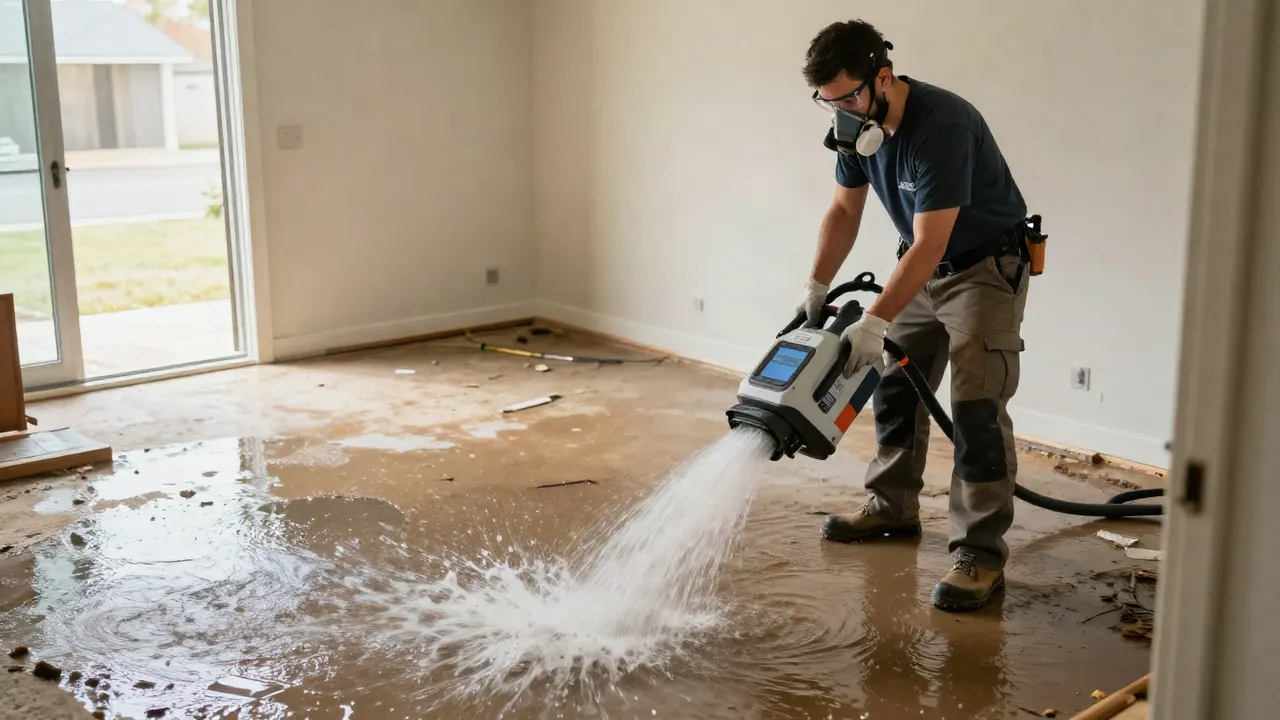 Emergency Water ExtractionStanding water comes out before drying can begin. Our extraction units and wet/dry vacuums remove hundreds of gallons fast, which shortens the drying timeline and protects your floors from further damage.Explore →
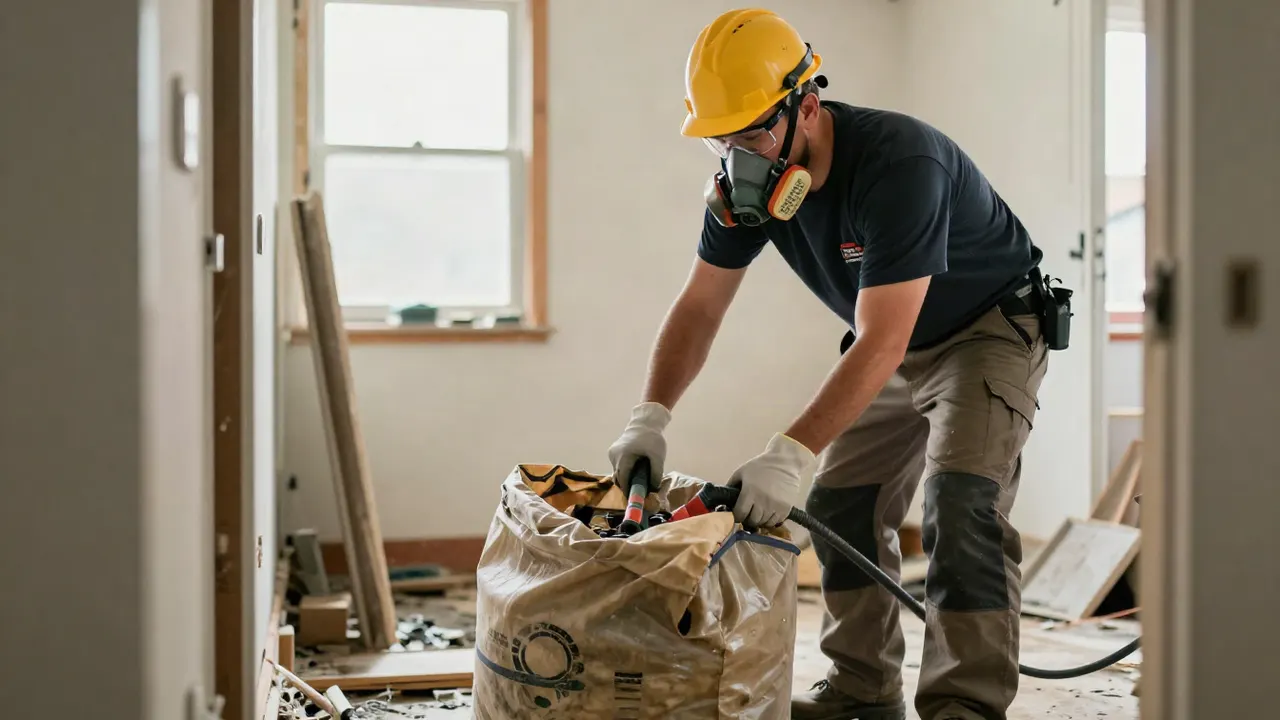 Flood CleanupStorm-driven flooding brings silt, contaminants and sometimes sewage into Falls Church homes. We handle the extraction, sanitizing and drying as one job so the structure is clean and dry before repairs start.Explore →
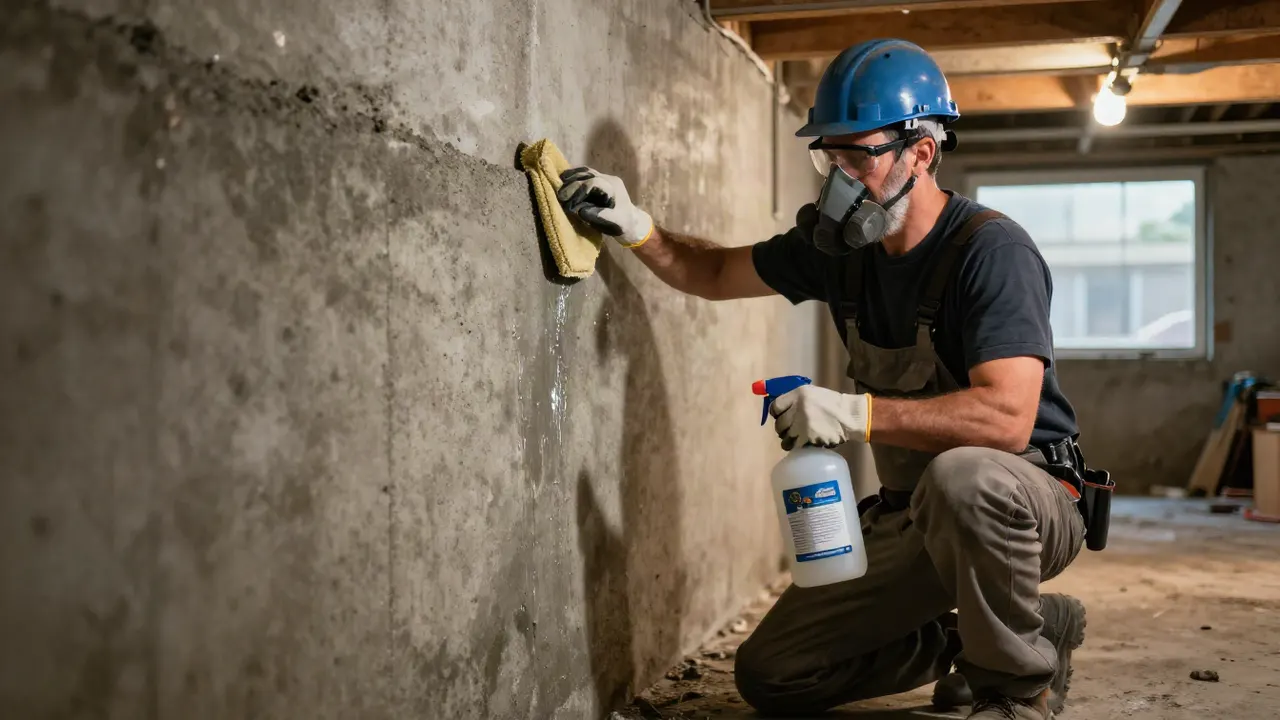 Basement Water RemovalFalls Church basements flood from sump pump failure, foundation seepage and heavy rain. We pump out the water, dry the concrete and framing, and check the crawl space for moisture that migrates upward.Explore →
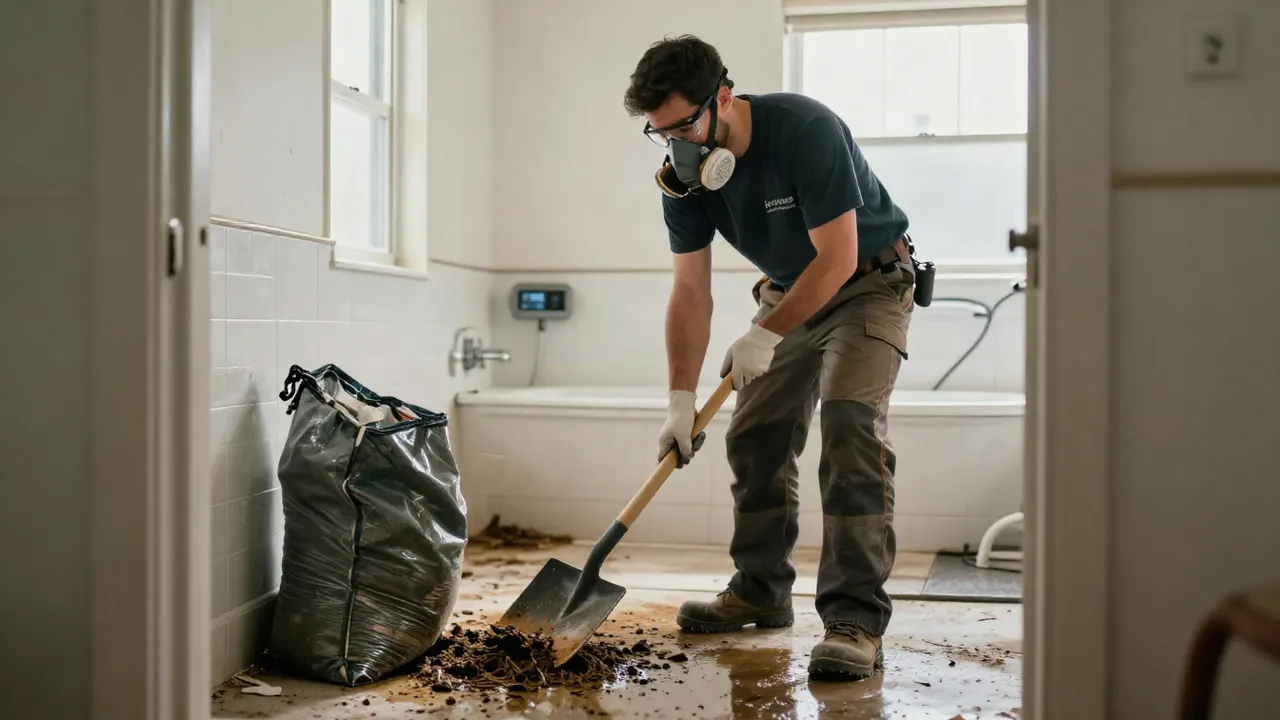 Sewage Backup CleanupSewage backups are a category 3 water event and require antimicrobial treatment before drying. We remove contaminated materials, disinfect the area, then dry the structure to a verified standard.Explore →
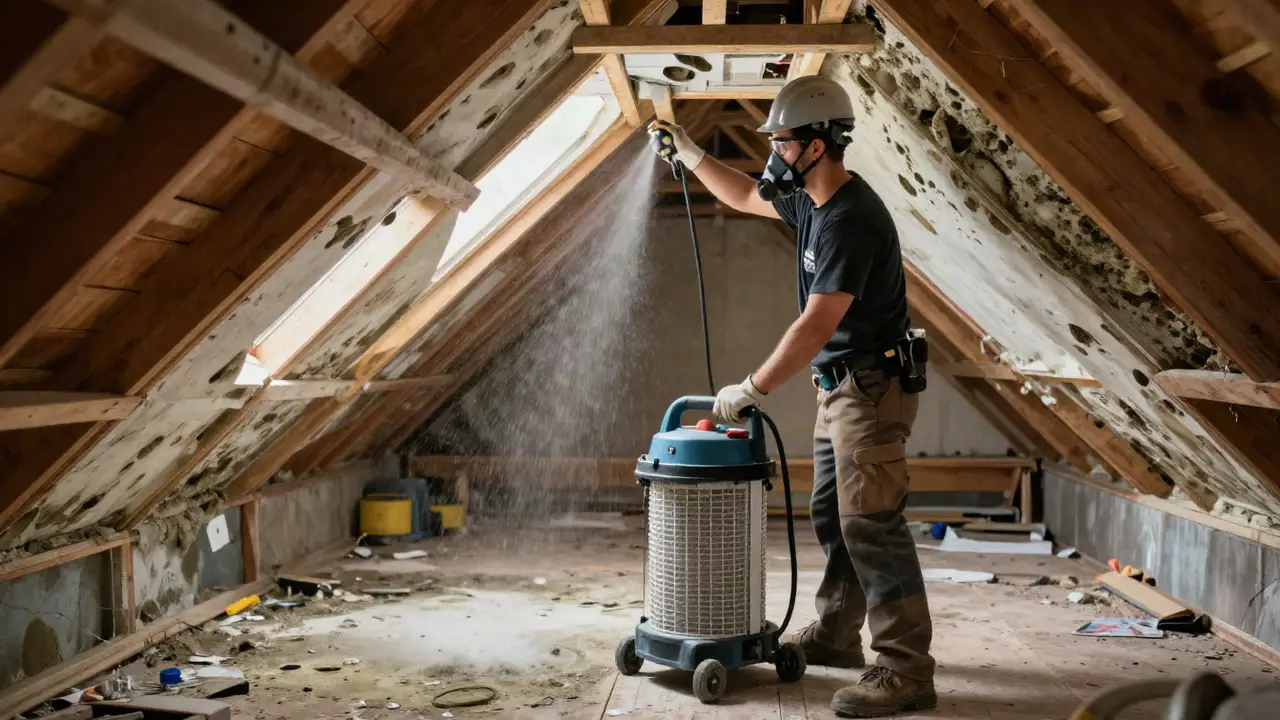 Mold RemediationIf mold growth has already started, drying alone is not enough. We contain the area, remove affected materials, treat with antimicrobial solution, and dry the remaining structure to prevent regrowth.Explore →
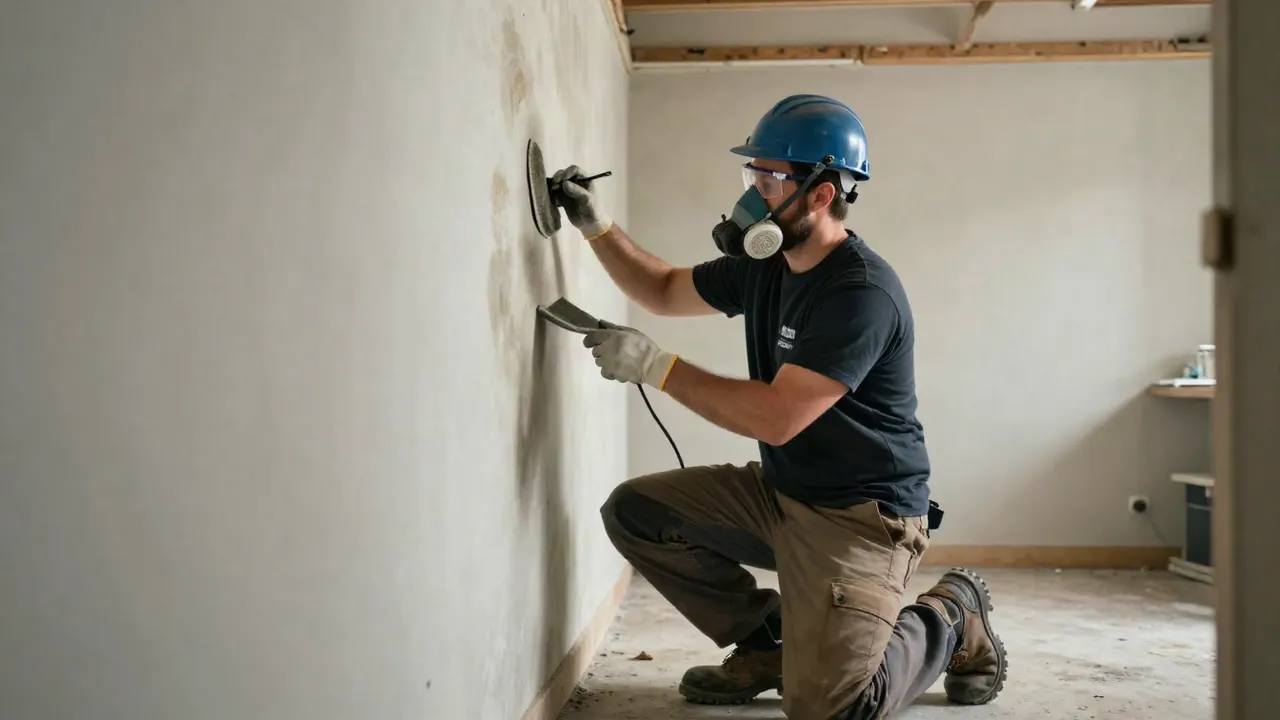 Mold Inspection and TestingAir and surface sampling tells you whether mold is present and what type. This is often the first step when a musty odor lingers after a water event in your Falls Church home.Explore →
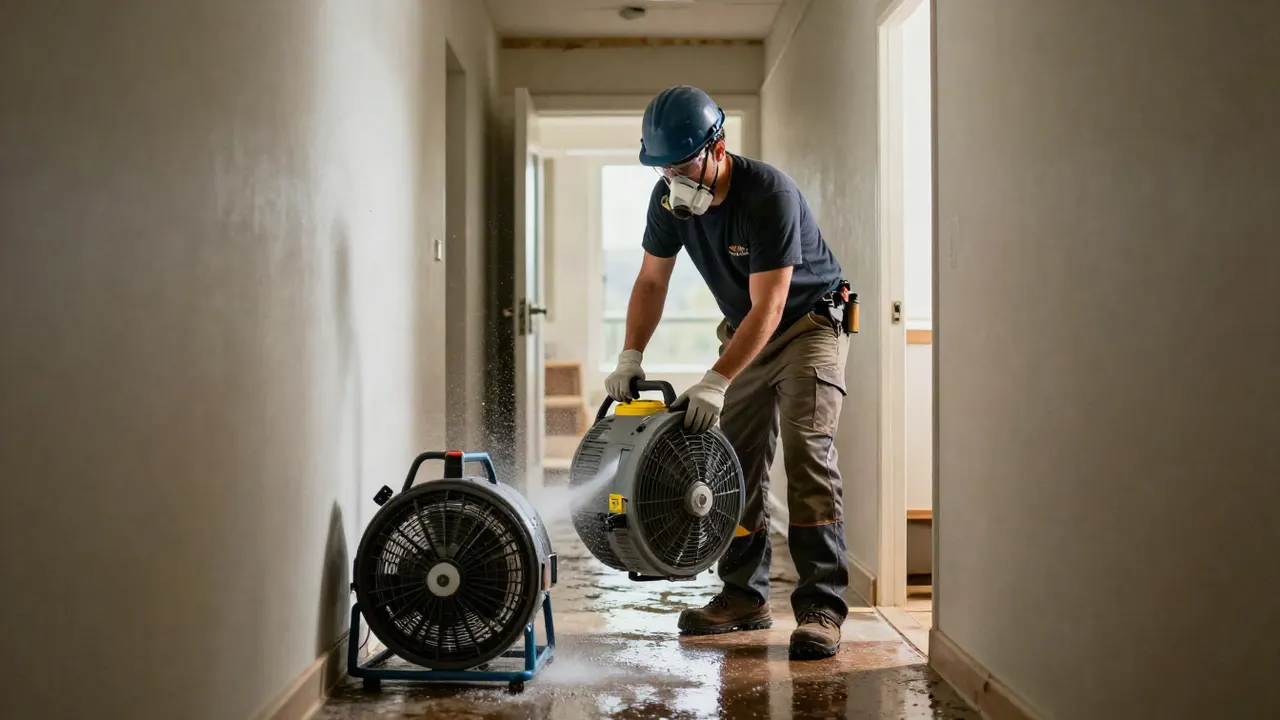 Dehumidification and DryingThe equipment side of structural drying. We size and place dehumidifiers and air movers to pull moisture from the air and materials at a controlled rate, monitored daily.Explore →
Water damage gets worse by the hour. Our certified technicians are on call 24/7 for Falls Church homes and businesses, with the equipment and training to dry your structure to a verified standard. Call now and we will get drying started the same day.
Get Emergency Drying 5717604393 →Call us any time, day or night, at 571-760-4393. We answer live, ask a few questions to size the job, and dispatch the nearest crew. Most Falls Church addresses see a technician within 60 to 90 minutes. If you prefer email, send photos and a description to info@waterdamagefallschurchva.com and we will get back to you fast.