Musty odor with no visible mold
We use a thermal imaging camera and moisture meter to find the hidden moisture source, then collect air samples to confirm whether mold spores are elevated. You get a clear answer and a plan.
Mold Inspection and Testing Falls Church VA is how you find out whether that musty smell in your basement is a real problem or just old carpet. We inspect, test, and hand you a straight answer with lab results and photos. If you have had a burst pipe, roof leak, or crawl space moisture, call us at 571-760-4393.
Tell us what is happening. Our local team will confirm your visit shortly.
Call Now 5717604393 → No spam. No obligation. Just practical help.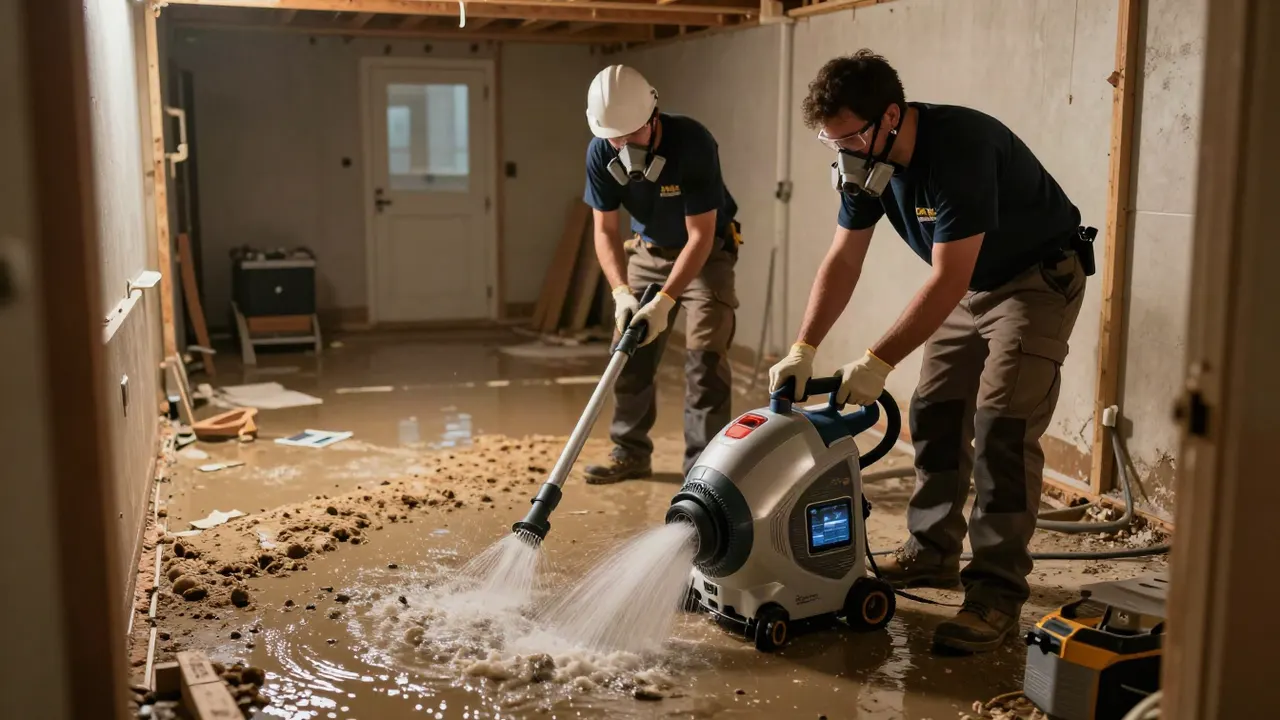
Mold Inspection and Testing Falls Church VA is a full visual and instrument-based evaluation of your home or building for mold growth and the moisture feeding it. We start with a room-by-room walkthrough, then use a moisture meter, thermal imaging camera, and borescope camera to check inside walls, under floors, and behind baseboards where mold hides. Air and surface samples go to an accredited lab, and you get results with species identification and spore counts.
Falls Church homes deal with mold pressure most of the year. Summers run humid, winters bring frozen pipes and ice-dam roof leaks, and spring storms push water into crawl spaces and basements. In older Falls Church City neighborhoods, original drywall and insulation hold moisture long after the surface feels dry. That is why Falls Church mold inspection matters here. If you have had water damage, mold testing after water damage Falls Church VA is the fastest way to confirm whether growth has started.
Every inspection covers the full scope: visual walkthrough, moisture mapping, sample collection, lab analysis, and a written report. We do not charge extra for photos or documentation. If you need additional sampling beyond the standard scope, we quote that upfront before we collect anything.
We inspect every room, the attic, basement, and crawl space. We look for visible growth, water staining, warped materials, and discolored insulation. Everything gets photographed and noted in the report.
A moisture meter and thermal imaging camera let us see inside walls and under floors. We map elevated readings across the structure and identify the moisture source. This step is included on every inspection.
We collect air samples in affected and control areas plus surface samples from visible growth. Samples go to an accredited lab. Standard inspections include two to four samples depending on the size of the space.
You get a full report with photos, moisture readings, lab results, and a clear recommendation. Reports are formatted for insurance claims and real estate transactions. We send them within 24 to 48 hours of sample collection.
We trace the moisture back to its source, whether that is a slab leak, roof leak, appliance leak, or crawl space moisture. Fixing the source is what keeps mold from returning after cleanup.
We ask about the history: any leaks, flooding, musty odors, or recent water damage. You tell us what you have noticed and where. This takes about 10 minutes and lets us bring the right equipment and plan the visit around your schedule.
We inspect every room, the attic, the crawl space, and the basement. We look for visible growth, water staining, warped drywall, and discolored insulation. We photograph everything and note conditions room by room so nothing gets missed.
A moisture meter and thermal imaging camera let us see inside walls and under floors without cutting anything open. We map elevated readings across the structure and identify the moisture source. This step is what separates a real inspection from a visual glance.
We collect air samples in affected and control areas, plus surface samples from visible growth. Samples go to an accredited lab. Collection takes 20 to 30 minutes, and the lab results come back within 24 to 48 hours.
You get a written report with photos, moisture readings, lab results, and a clear recommendation. If remediation is needed, we outline the scope. If it is not, we tell you that too. No pressure either way.
Purpose-built equipment, used by trained technicians — so the job is done accurately the first time.
Measures moisture content in drywall, wood, and flooring. We use it to map elevated readings across the structure and pinpoint where moisture is trapped.
Shows temperature differences behind walls and under floors. We use it to find hidden moisture without cutting into surfaces.
Lets us see inside wall cavities and tight spaces. We use it to check for mold growth in areas that are not visible from the outside.
Collects air samples for lab analysis. We run samples in affected areas and control areas to compare spore counts and confirm whether mold is present.
Measures relative humidity. We use it to assess overall moisture conditions and identify areas where humidity is high enough to support mold growth.
We use Dri-Eaz and Phoenix Restoration Equipment dehumidifiers to bring humidity down when moisture levels are elevated. This is often the first step before remediation.
Filters airborne spores and particles during remediation. We run air scrubbers to keep the air clean and prevent cross-contamination to unaffected areas.
A roof leak went unnoticed for weeks. The attic insulation was wet and discolored, and the homeowner noticed a musty smell in the upstairs hallway. Moisture readings were elevated across a 12-foot section of the roof deck.
We inspected the attic, mapped moisture, and collected air samples. Lab results confirmed elevated spore counts. We documented everything for insurance, and remediation removed the affected insulation and treated the roof deck. Clearance testing confirmed no mold remained.
A sump pump failed during a storm and the basement flooded. The homeowner extracted the water but noticed a musty odor two weeks later. Moisture readings were elevated along the base of the walls and under the carpet padding.
We inspected the basement, mapped moisture, and collected air and surface samples. Lab results confirmed mold growth under the carpet padding. We removed the padding, dried the space, and treated the area. Clearance testing confirmed the basement was clear.
A 1940s home in Broadmont had a crawl space that stayed damp year-round. The homeowner noticed a musty smell in the living room but could not find the source. Moisture readings in the crawl space were above 20 percent.
We inspected the crawl space with a borescope camera and thermal imaging. We found mold growth on joists and insulation. We documented everything, and remediation removed the affected materials and treated the joists. Clearance testing confirmed the crawl space was clear.
Mold is a symptom, not the root problem. These are the situations we see most often in Falls Church homes and how we handle them.
Ask a pro →We use a thermal imaging camera and moisture meter to find the hidden moisture source, then collect air samples to confirm whether mold spores are elevated. You get a clear answer and a plan.
We inspect the area with moisture mapping, collect samples if growth is suspected, and document everything for insurance. If mold is present, we outline the remediation scope.
We inspect the entire crawl space, map moisture readings, and sample any visible growth. We also identify the moisture source, whether that is poor drainage, a sump pump failure, or ground moisture.
We provide a full inspection report with lab results that satisfies buyer, seller, and agent. Fast turnaround so your closing timeline stays on track.
$300 - $650 depending on scope
Typical 2026 pricing for mold inspection in Falls Church runs $300 to $650 depending on square footage and how many samples we collect. A basic inspection with two air samples starts around $300. Larger homes or inspections with multiple sample locations run higher. We quote the price before we arrive, so there are no surprises. If remediation is needed, we outline the scope and cost separately so you can compare against other quotes.
You get a full inspection, moisture mapping, lab results, and a written report for one flat price. No hidden fees, no upselling. The report is what you hand to insurance or a buyer, and it holds up.
Larger homes take longer to inspect and often need more samples. A 1,500 square foot home may need two samples, while a 3,000 square foot home may need four or more. More samples mean higher lab costs.
Air samples run $50 to $75 each, and surface samples run $40 to $60 each. Most inspections include two to four samples. If we need to sample multiple areas, the cost goes up.
Crawl spaces and attics that are hard to access take longer to inspect. If we need to move stored items or use a borescope camera to see inside tight spaces, that adds time and cost.
If you need a fast turnaround for a closing, we can expedite the lab results. Rush processing adds $50 to $100 depending on the lab and timeline.
“We had a roof leak last spring and I was worried about mold in the attic. The technician showed up on time, walked me through everything he was checking, and had the report to me in two days. No mold, but he found a moisture issue we did not know about. Fixed it before it became a problem. Worth every penny.”
Karen M.Homeowner, Broadmont
✓ Verified“I use these guys for all my buyer inspections. They are fast, thorough, and their reports are clean enough that no one argues with them. Had a closing last month where the buyer was nervous about a musty basement. Report came back clear with documentation. Closing happened on schedule.”
David R.Real Estate Agent, Falls Church City Center
✓ Verified“Our basement flooded after a sump pump failure. They extracted the water, dried everything, and then ran mold testing to make sure it was safe. The report showed no growth, which was a huge relief. They also gave us tips to keep the crawl space dry going forward. Professional and honest.”
Priya S.Homeowner, West Falls Church
✓ VerifiedMost residential mold inspections in Falls Church run $300 to $650 depending on square footage and how many samples we collect. A basic inspection with two air samples starts around $300. Larger homes or inspections with multiple sample locations run higher. We quote the price before we arrive so there are no surprises.
The on-site inspection takes two to four hours for a typical home. Sample collection adds about 20 to 30 minutes. Lab results come back within 24 to 48 hours, and we send your written report the same day we receive them. For real estate deadlines, we can often expedite the lab turnaround.
Every inspection includes a full visual walkthrough of the home, moisture mapping with a moisture meter and thermal imaging camera, air and surface sample collection, and a written report with photos and lab results. We also identify the moisture source and outline next steps. If no mold is found, we tell you that in writing.
Yes, if water sat for more than 24 to 48 hours. Mold can start growing in that window, especially in crawl spaces and behind drywall. Mold testing after water damage Falls Church VA confirms whether growth has started and gives you documentation for insurance. Call us at 571-760-4393 and we can usually schedule within a day.
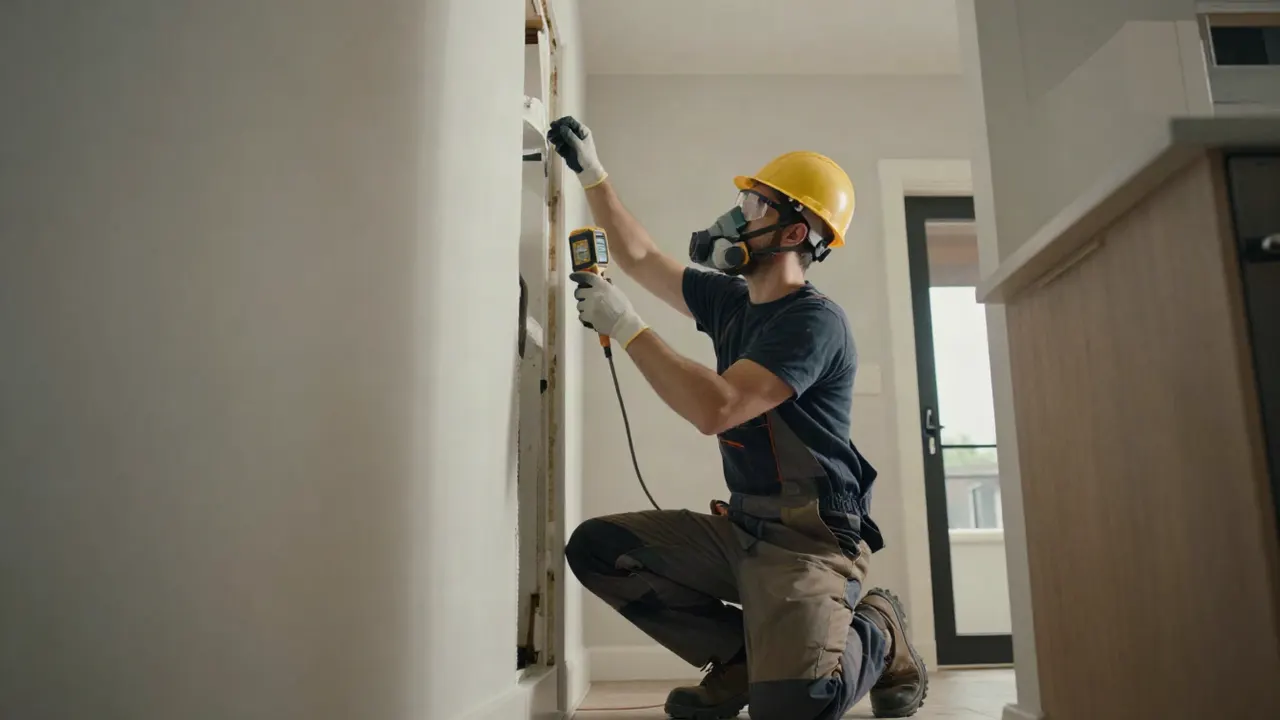 Water Damage RestorationIf inspection finds active moisture, restoration is the next step. We handle extraction, drying, and repairs so mold does not return. One crew from inspection through final walkthrough.Explore →
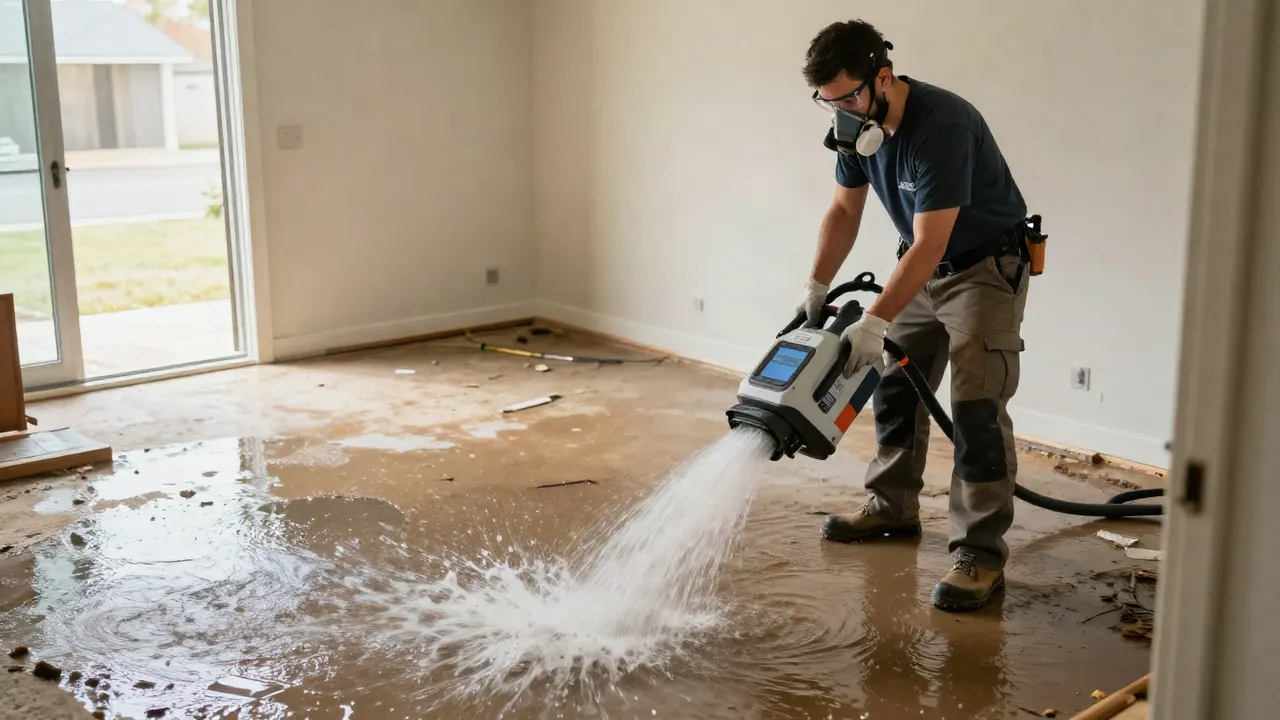 Emergency Water ExtractionStanding water feeds mold fast. We extract within hours of your call, then inspect once the area is dry to confirm no growth started. Same-day service across Falls Church.Explore →
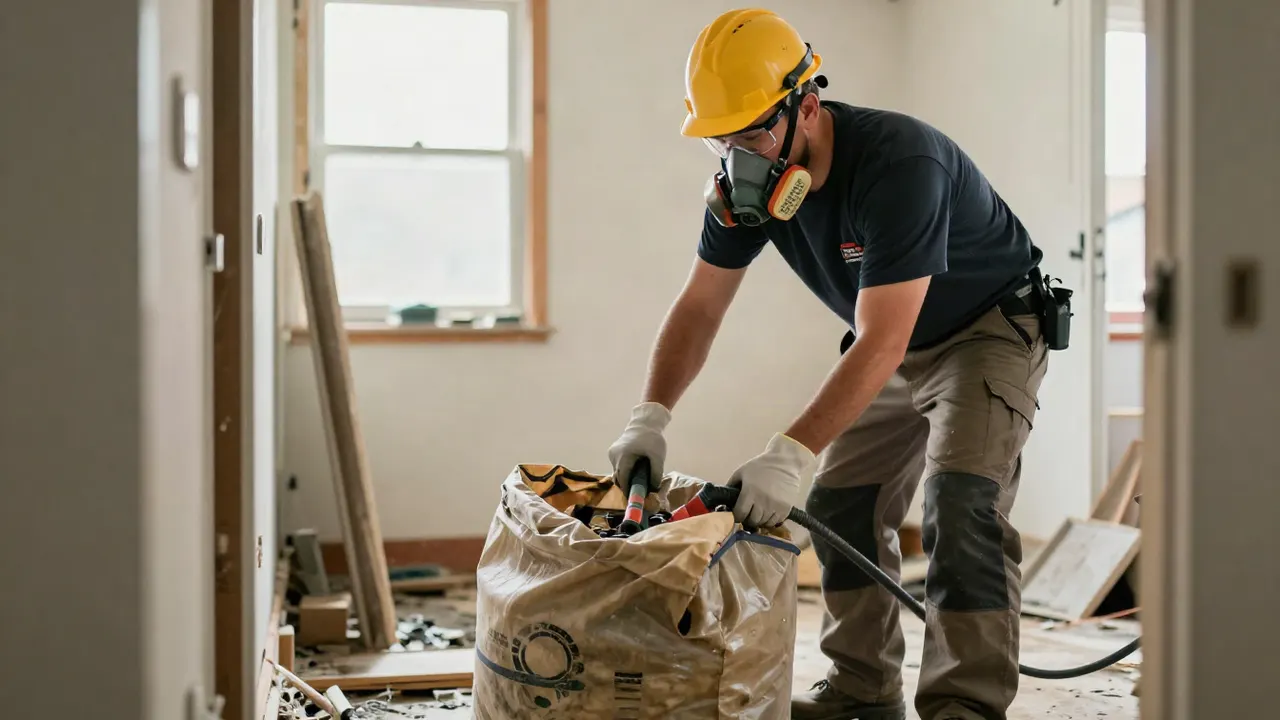 Flood CleanupAfter a flood, mold risk is high. We clean, dry, and then run mold testing to verify the space is clear before you move back in. Full documentation for insurance.Explore →
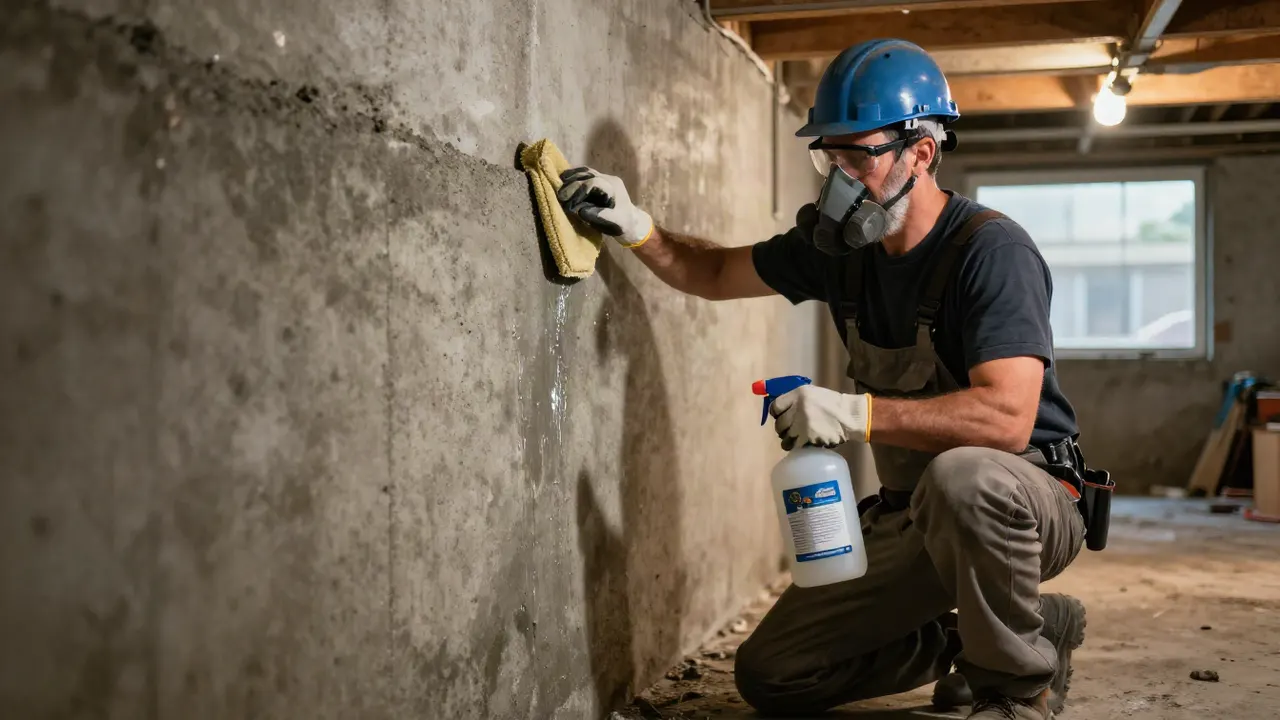 Basement Water RemovalBasements are mold's favorite room. We remove water, dry the space, and inspect walls and floors for hidden growth. Moisture mapping catches what the eye misses.Explore →
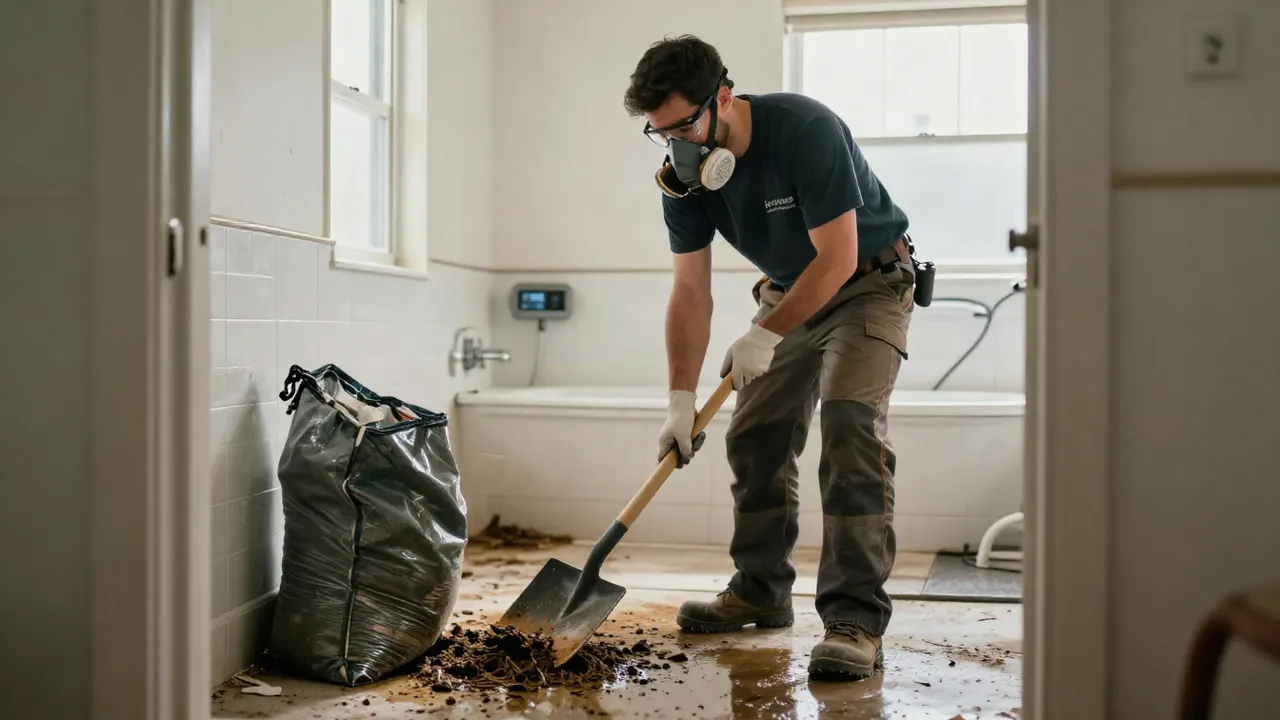 Sewage Backup CleanupSewage carries contaminants that accelerate mold. We clean, disinfect, dry, and then test to confirm the space is safe. Full scope from cleanup through clearance testing.Explore →
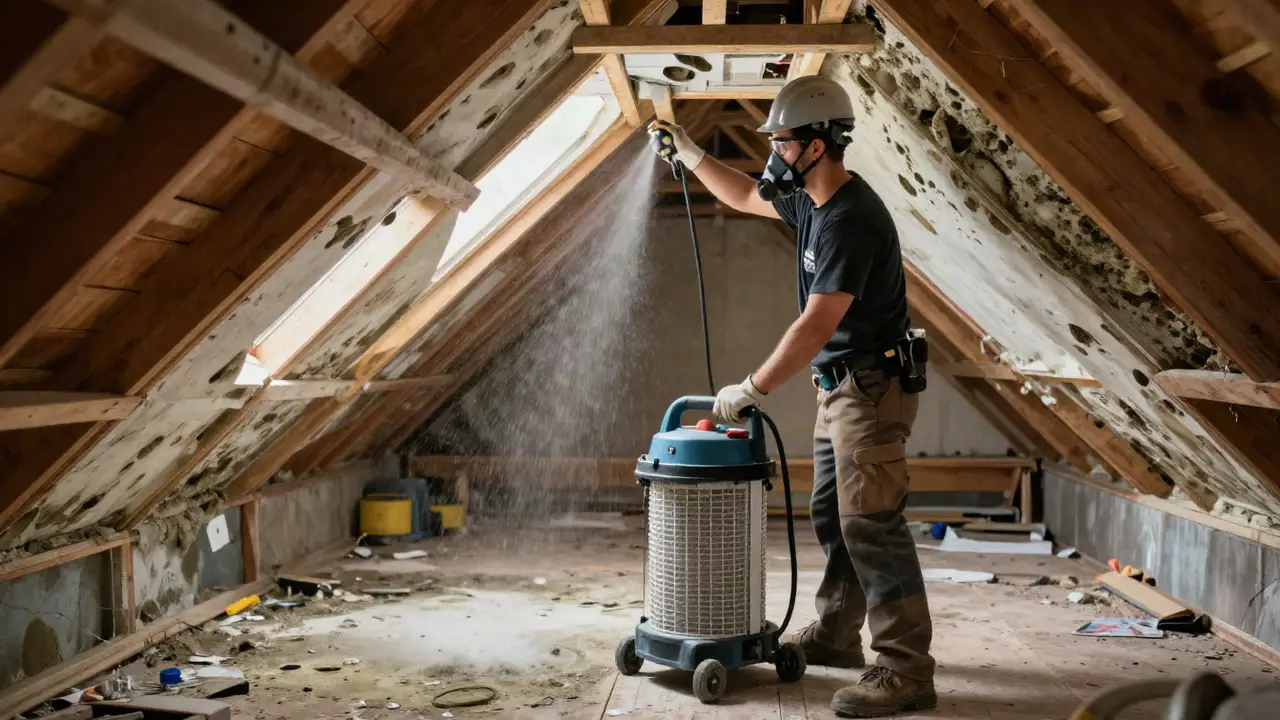 Mold RemediationWhen inspection confirms mold, we remove it, treat the area with antimicrobial solution, and verify clearance. Our remediation crew works directly from the inspection report.Explore →
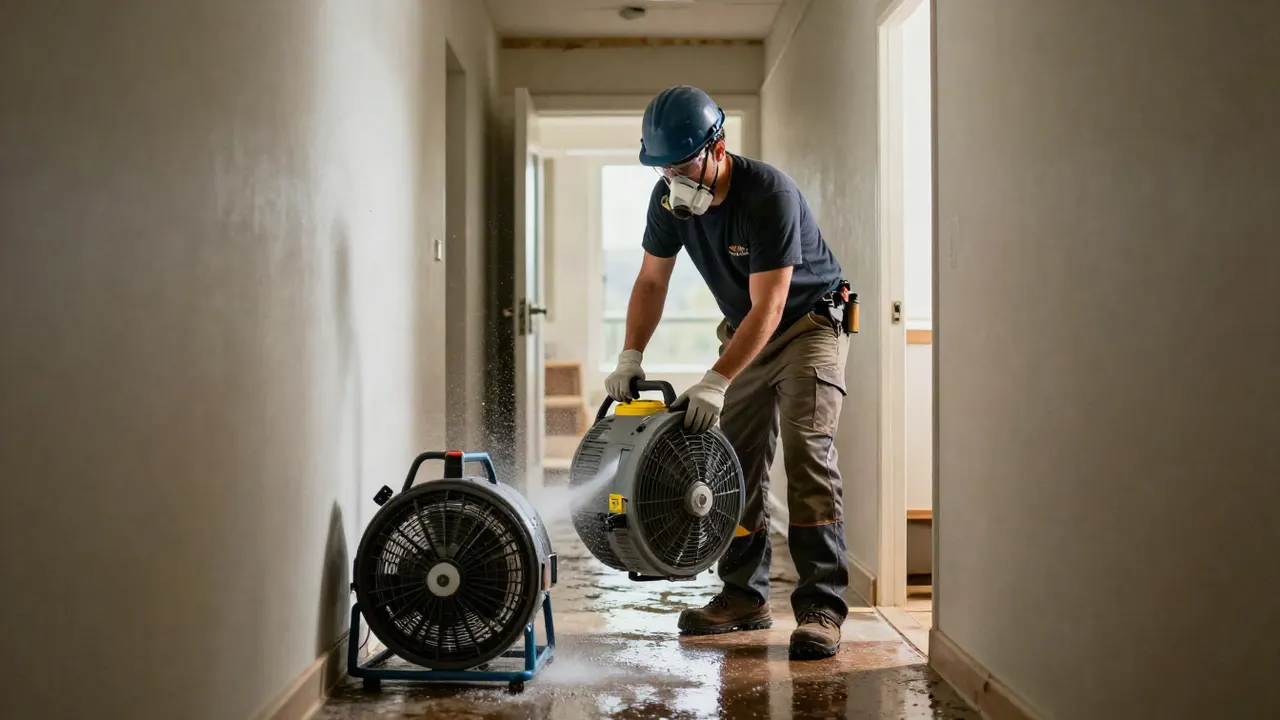 Dehumidification and DryingHigh humidity feeds mold even without a leak. We run Dri-Eaz and Phoenix Restoration Equipment dehumidifiers to bring moisture levels down and keep them there.Explore →
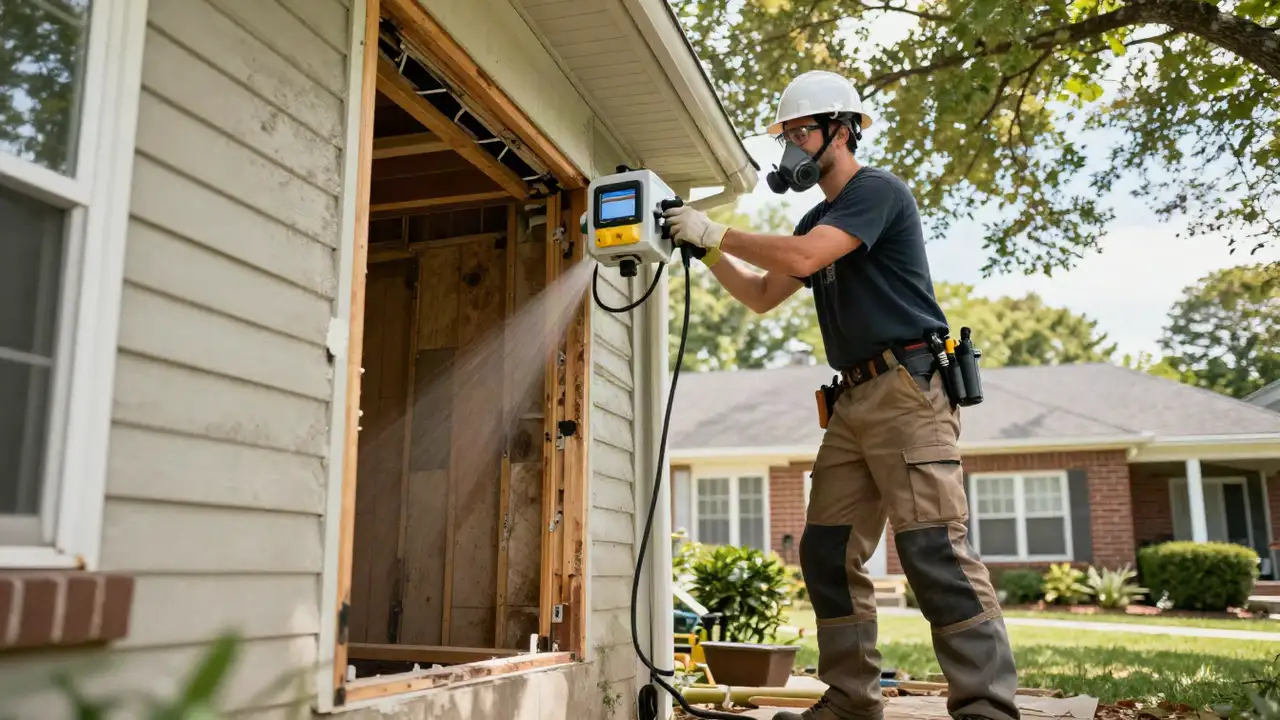 Structural DryingWet framing and subfloor need controlled drying before mold starts. We set up air movers and dehumidifiers, monitor daily, and inspect once readings are normal.Explore →
If you smell something musty or had recent water damage, do not wait. Mold spreads fast. Call 571-760-4393 and we will schedule your inspection, usually within a day. Virginia DPOR licensed, IICRC certified, and serving Falls Church since 2014.
Book Inspection Now 5717604393 →Call us any time, day or night, at 571-760-4393. We answer live, ask a few questions to size the job, and dispatch the nearest crew. Most Falls Church addresses see a technician within 60 to 90 minutes. If you prefer email, send photos and a description to info@waterdamagefallschurchva.com and we will get back to you fast.