Musty odor with no visible water
We scan the whole area with thermal imaging, find the wet zone feeding the mold, verify with a moisture meter, and dry the structure. If mold is already present, our IICRC AMRT team handles remediation.
Moisture Mapping and Thermal Imaging Falls Church VA locates water you cannot see. We use thermal imaging inspection in Falls Church Virginia to trace leaks behind drywall, under hardwood, and inside crawl spaces. If you smell something musty after a storm or a pipe burst, we map the moisture, show you the readings, and dry it out before mold takes hold.
Tell us what is happening. Our local team will confirm your visit shortly.
Call Now 5717604393 → No spam. No obligation. Just practical help.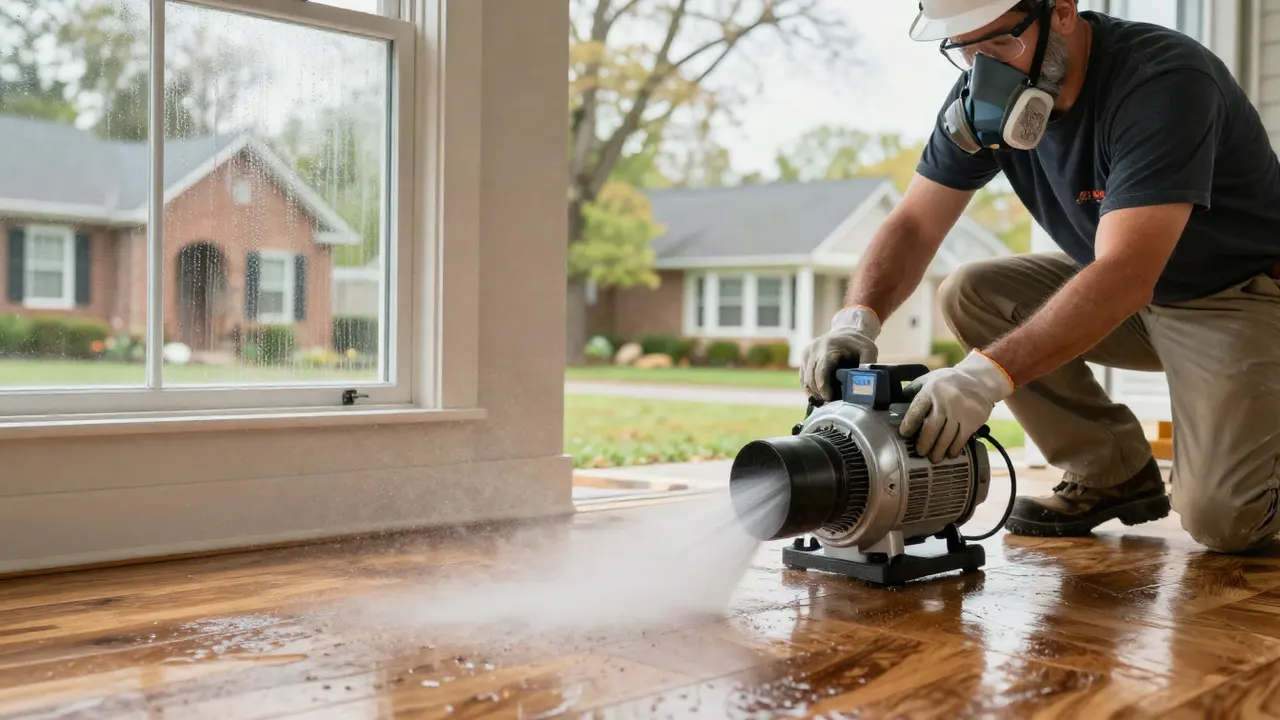
Moisture Mapping and Thermal Imaging Falls Church VA is a non-invasive diagnostic service that finds hidden water using infrared cameras and calibrated moisture meters. We scan walls, ceilings, floors, and crawl spaces for temperature differences that reveal wet materials behind the surface. Then we verify each spot with a pin or pinless moisture meter and record the readings on a map you can keep. No tearing out drywall just to look.
In Falls Church, we see this constantly: 1940s brick colonials in Broadmont with slow slab leaks, finished basements in West Falls Church that flood after summer storms, and crawl space moisture in Greenway Downs that never dries out. If you have been searching for moisture detection near me, this is the service that answers the question. We also handle moisture detection after water damage Falls Church homeowners call in after a sump pump failure or a burst pipe behind the kitchen wall.
Every moisture mapping and thermal imaging visit covers the full diagnostic picture. We scan, verify, document, and give you a plan. If drying is needed, we set it up the same day. Here is what comes standard with every call.
We scan every wall, ceiling, and floor in the affected area with a thermal imaging camera and infrared thermometer. The scan covers the room where you noticed the problem plus adjacent spaces, because water rarely stays where it started.
Every thermal anomaly gets a pin or pinless moisture meter reading. We record the percentage on a floor plan so you can see exactly how wet each spot is and compare it to dry standard for that material type.
You get a same-day report with thermal stills, meter readings, a marked floor plan, and a summary of findings. This is the document your insurance adjuster needs, formatted the way they expect to see it.
If readings call for drying, we set up Dri-Eaz or Phoenix air movers and dehumidifiers on the spot. We place moisture mapping sensors so you can watch the numbers drop and know exactly when the structure is dry.
Finding the wet spot is step one. We also trace the water back to its source, whether that is a supply line, a roof flashing, a slab leak, or groundwater coming through the foundation. Fixing the source is what stops the problem from coming back.
You call 571-760-4393 and describe what you are seeing: a stain on the ceiling, a musty smell in the basement, a spike in the water bill. We ask a few questions, give you a ballpark range, and dispatch a technician. Most Falls Church calls get a truck rolling within 30 minutes.
The technician walks the affected area with a thermal imaging camera and an infrared thermometer, scanning walls, ceilings, and floors. Cool spots show up as dark patches on screen, which usually means evaporating moisture behind the surface. The scan takes 20 to 40 minutes for a typical single-family home.
Every thermal anomaly gets verified with a moisture meter. We take pin readings in drywall, pinless readings on hardwood and tile, and hygrometer readings in the air. A borescope camera goes into wall cavities when we need to see the back side of the drywall. This step separates a real leak from a cold-air draft.
We draw a floor plan and mark every wet zone with its moisture content percentage. You get photos, thermal stills, and a written summary the same day. If you are filing an insurance claim, this report is the document your adjuster wants to see.
If the readings call for drying, we set up Dri-Eaz and Phoenix Restoration Equipment air movers and dehumidifiers on the spot. We place moisture mapping sensors so you can watch the numbers drop day by day. Typical dry-out runs 3 to 5 days, and we check readings daily until the structure hits dry standard.
Purpose-built equipment, used by trained technicians — so the job is done accurately the first time.
Reads surface temperature differences as small as 0.1 degrees to reveal evaporating moisture behind walls, ceilings, and floors without opening them up.
Verifies every thermal anomaly with an actual moisture content reading. Pin meters go into drywall and wood; pinless meters read through tile, hardwood, and laminate.
Slides into a small hole in the wall to show us the back side of the drywall and the framing. Confirms whether the cavity is wet and whether mold is growing.
Measures relative humidity in the air and inside wall cavities. Tells us whether the drying equipment is working and when the space has reached dry standard.
Pulls moisture out of the air so wet materials release their water faster. Sized to the cubic footage of the affected space.
Creates high-velocity airflow across wet surfaces to speed evaporation. Placed based on the moisture map, not just scattered around the room.
Placed in walls and floors during the dry-out so you and we can watch the readings drop day by day until the structure hits dry standard.
A homeowner in Seven Corners noticed a warm spot on the kitchen floor and a water bill that jumped by $80 in one month. Two plumbers could not find the leak without breaking the slab.
We scanned the floor with thermal imaging and pinpointed the leak within 18 inches. The plumber repaired it through a small access hole, and the homeowner avoided a full slab break-out that would have cost thousands.
A sump pump failed during a summer storm in West Falls Church, leaving an inch of water across a finished basement. The carpet was soaked and the baseboards were wicking water up the drywall.
We extracted the standing water, mapped the moisture in the walls and floor, and set up Dri-Eaz dehumidifiers and air movers. Four days later, every reading hit dry standard and the carpet was saved.
A homeowner in Greenway Downs had a musty smell that got worse every fall. The crawl space had standing water after rain and the insulation was saturated and falling down.
We removed the standing water, pulled the wet insulation, mapped the moisture in the joists, and dried the space over five days. New insulation went in after readings confirmed the wood was dry.
Most water damage starts invisible. By the time you see a stain or smell something musty, the water has usually been there for days or weeks. Here are the problems we find most often.
Ask a pro →We scan the whole area with thermal imaging, find the wet zone feeding the mold, verify with a moisture meter, and dry the structure. If mold is already present, our IICRC AMRT team handles remediation.
We trace the water path with thermal imaging back to the actual entry point, whether that is a roof flashing, a supply line, or a drain. We fix the source, dry the cavity, and repair the drywall.
We use thermal imaging and moisture meters to trace the hidden line, mark the wet zone, and give you a precise location so the plumber can fix it without tearing up the whole floor.
We remove standing water, map the moisture in joists and insulation, and set up drying equipment sized for the space. Long-term, we can recommend encapsulation to keep it dry year-round.
$250 - $550 for most residential calls
Typical 2026 pricing for moisture mapping and thermal imaging in Falls Church runs $250 to $550 for a residential call. That covers the thermal scan, meter verification, a written report, and a drying plan. If you hire us for the drying work, we credit the inspection fee toward the job. Larger homes, crawl spaces, and multi-story scans land at the higher end. We give you a straight number before we start, and there are no hidden trip charges.
The inspection fee is small compared to what hidden water costs if you ignore it. Mold remediation, structural repairs, and repeated drywall patches add up fast. Finding the water early is the cheapest path to a dry, healthy home.
A single room takes 20 to 30 minutes. A full-house scan with a basement and crawl space can take 90 minutes or more. The larger the area, the more time and documentation the job requires.
Crawl spaces with low clearance, attics with limited access, and walls behind built-in cabinetry take longer to scan. We charge for the time, not for a flat rate that does not fit the job.
One leak is quick to map. Multiple wet zones across different floors require more meter readings, more photos, and a more detailed report, which adds to the total.
If you are filing a claim, we build a full Xactimate-compatible report with thermal stills, moisture readings, and a drying log. That takes more time than a verbal walkthrough, but it is what your adjuster needs.
“We had a musty smell in the basement for months and two other companies could not find it. The technician scanned the whole wall with the thermal camera and found a slow slab leak behind the paneling in about 20 minutes. He showed me the screen, took meter readings, and had drying equipment set up the same afternoon. Worth every penny.”
Karen M.Homeowner, Broadmont
✓ Verified“Our sump pump failed during a storm and the finished basement had about an inch of water. They extracted it, mapped the moisture in the walls, and dried everything in four days. The report they gave us went straight to our insurance adjuster with no questions. Professional and fast.”
David R.Homeowner, West Falls Church
✓ Verified“I called about a ceiling stain that kept coming back after every rain. They used thermal imaging to trace it back to a roof flashing issue ten feet away from the stain. Fixed the source, dried the ceiling cavity, and we have not had a problem since. Honest work and fair pricing.”
Priya S.Homeowner, Lake Barcroft
✓ VerifiedMost residential moisture mapping and thermal imaging calls in Falls Church run $250 to $550 in 2026, depending on square footage and how many rooms we scan. Crawl spaces and multi-story homes land at the higher end. If you hire us for the drying work, we credit the inspection fee toward the job.
Water evaporating behind drywall, tile, or hardwood lowers the surface temperature in that spot. Our thermal imaging camera reads those temperature differences and shows them as dark patches on screen. We then confirm each spot with a moisture meter, so you get a verified reading, not a guess based on color alone.
Thermal imaging finds the moisture that feeds mold, not the mold itself. When we scan a wall and find a wet zone, we follow up with a borescope camera and air sampling if needed. If mold is already growing, we refer the job to our IICRC AMRT-certified mold remediation team and handle both the moisture and the mold.
We do. Water Damage Falls Church VA runs 24/7 thermal imaging inspection in Falls Church Virginia, including same-day appointments and emergency calls after hours. Call 571-760-4393 and we will dispatch a technician, usually within 60 to 90 minutes anywhere in Falls Church County.
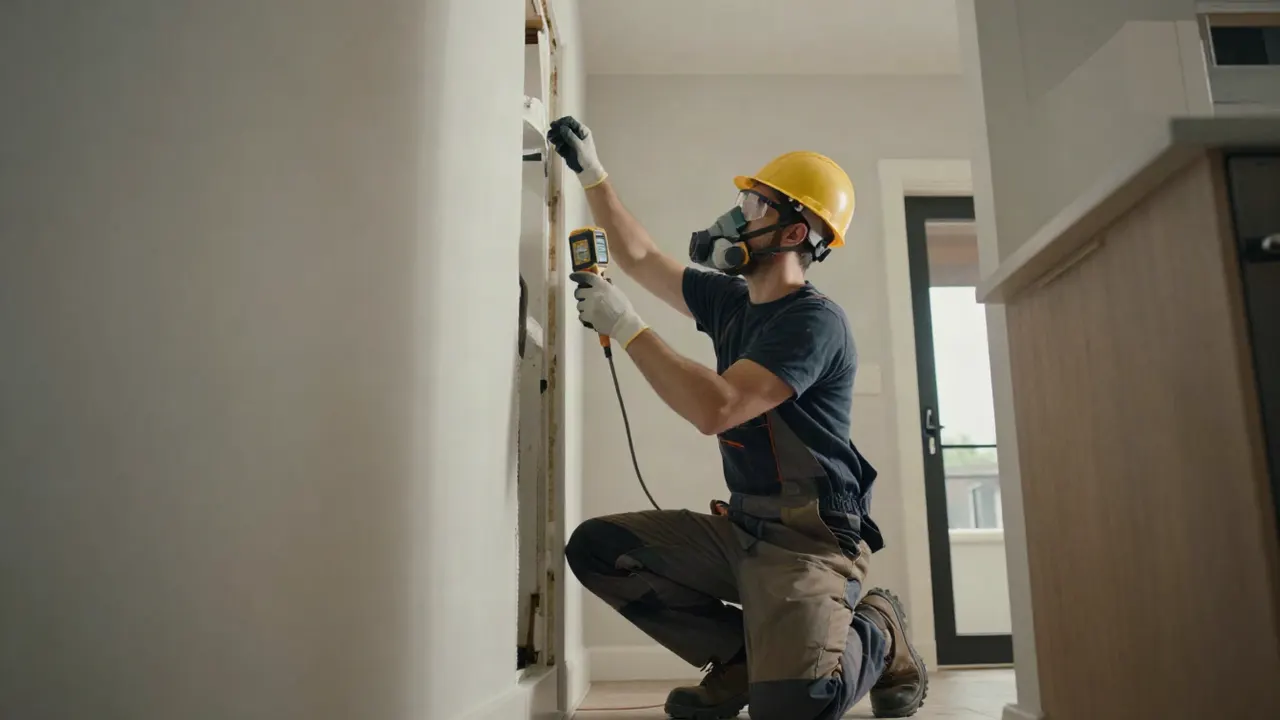 Water Damage RestorationOnce moisture mapping confirms where the water is, full water damage restoration in Falls Church rebuilds what the leak damaged. We handle extraction, drying, repairs, and the final walkthrough so you get one point of contact from start to finish.Explore →
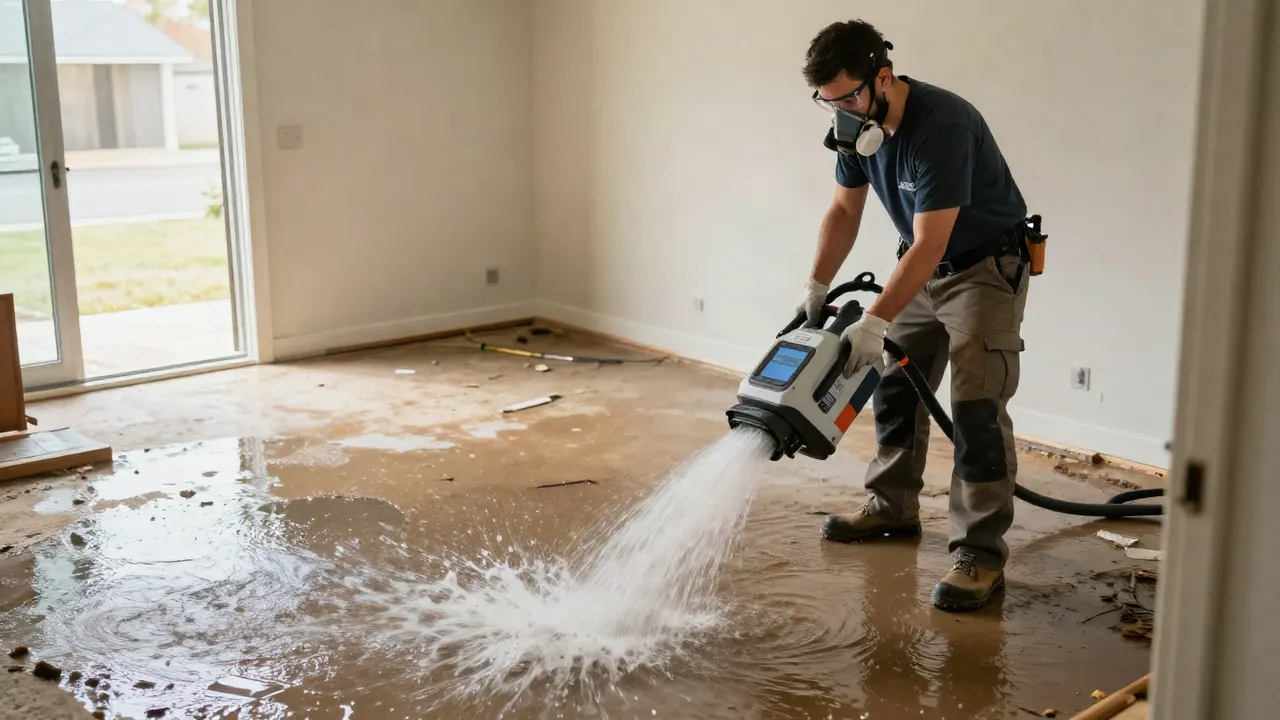 Emergency Water ExtractionStanding water needs to come out before we can map anything useful. Our emergency water extraction crews use truck-mounted units and wet/dry vacuums to pull water fast, then we run thermal imaging to find what is still trapped in the walls and floor.Explore →
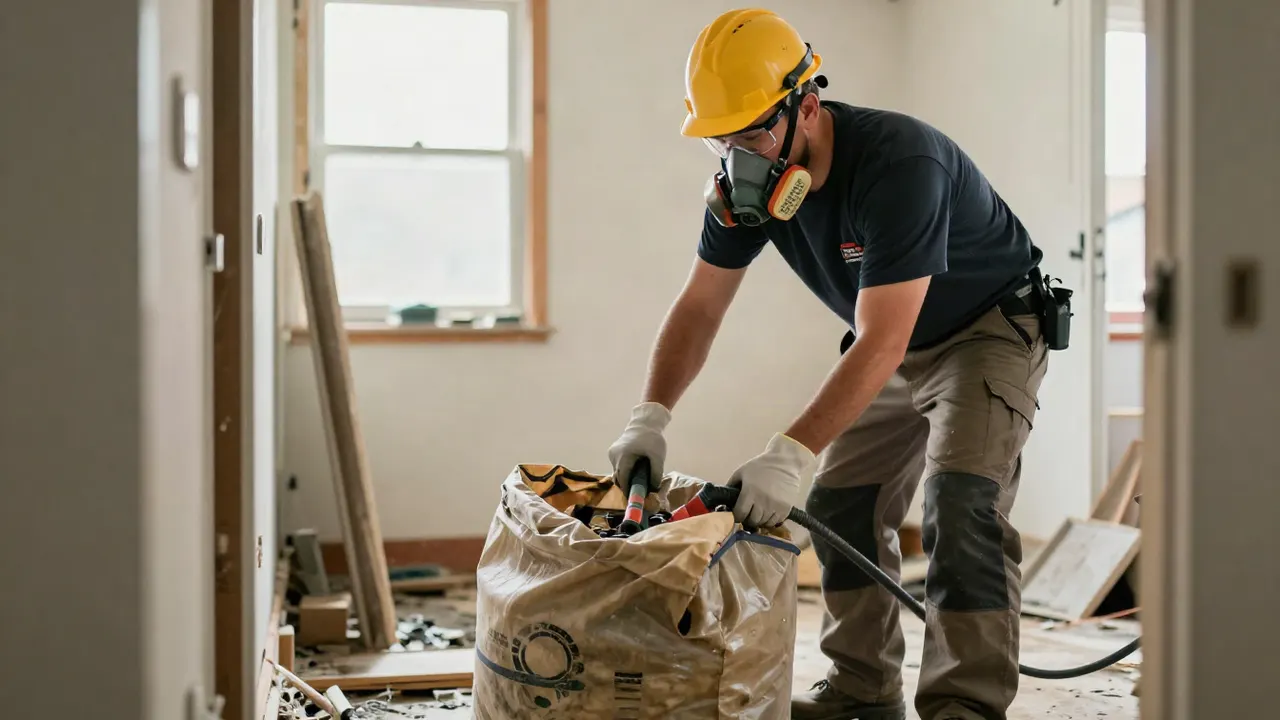 Flood CleanupAfter a storm or sump pump failure, flood cleanup in Falls Church starts with moisture mapping. We scan the whole affected floor, mark the wet zones, and set drying equipment where it actually needs to go instead of guessing and hoping.Explore →
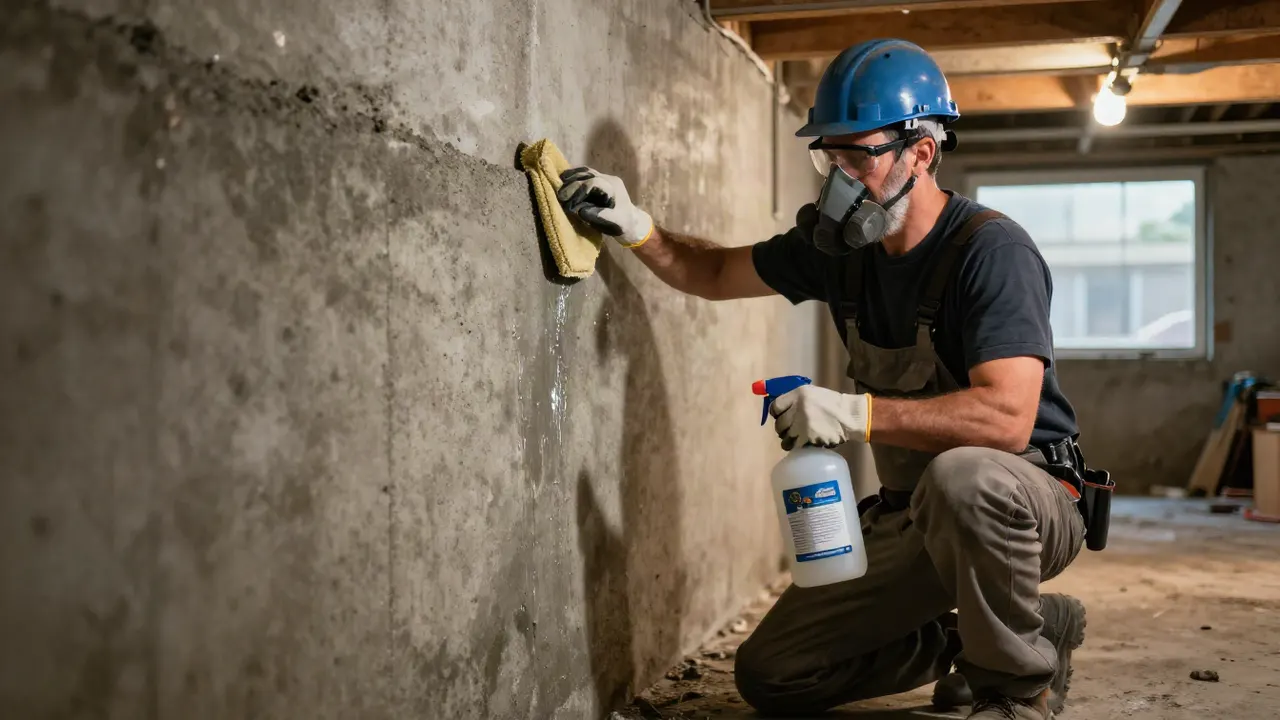 Basement Water RemovalFinished basements hide water behind paneling and under carpet. We use thermal imaging to see through those finishes, extract the water, and dry the space. Most Falls Church basements dry in 3 to 5 days with proper airflow and dehumidification.Explore →
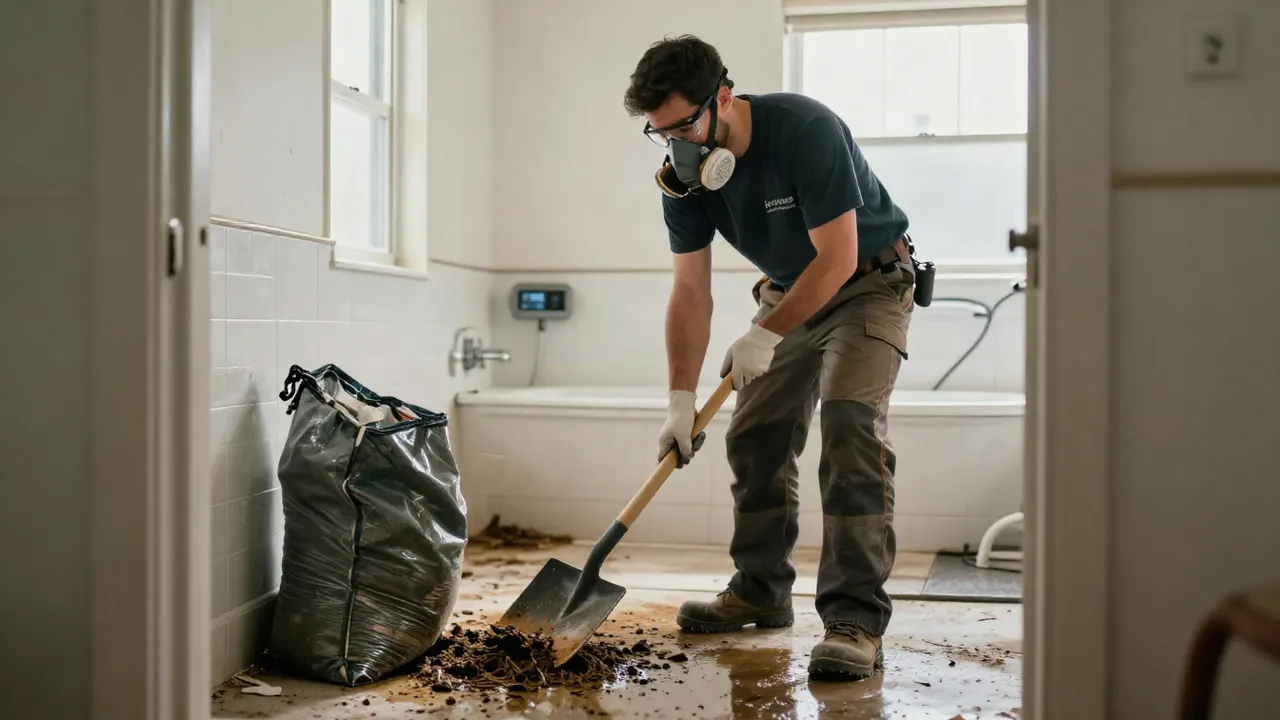 Sewage Backup CleanupSewage backups are category 3 water and require antimicrobial treatment. We map the moisture first to see how far the contamination spread, then remove affected materials, disinfect, and verify the structure is dry before we close up.Explore →
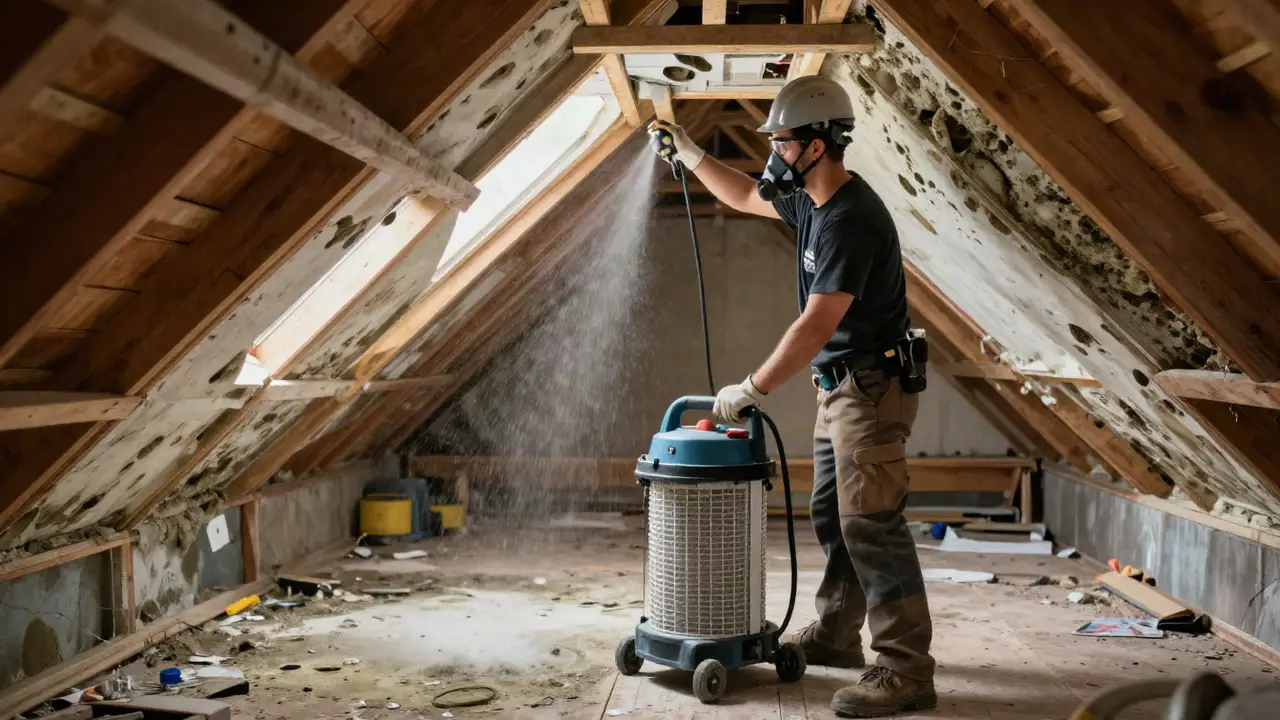 Mold RemediationWhen moisture mapping finds wet zones that have been wet too long, mold is usually close behind. Our IICRC AMRT-certified team handles containment, removal, and clearance testing so the mold does not come back after the walls are closed.Explore →
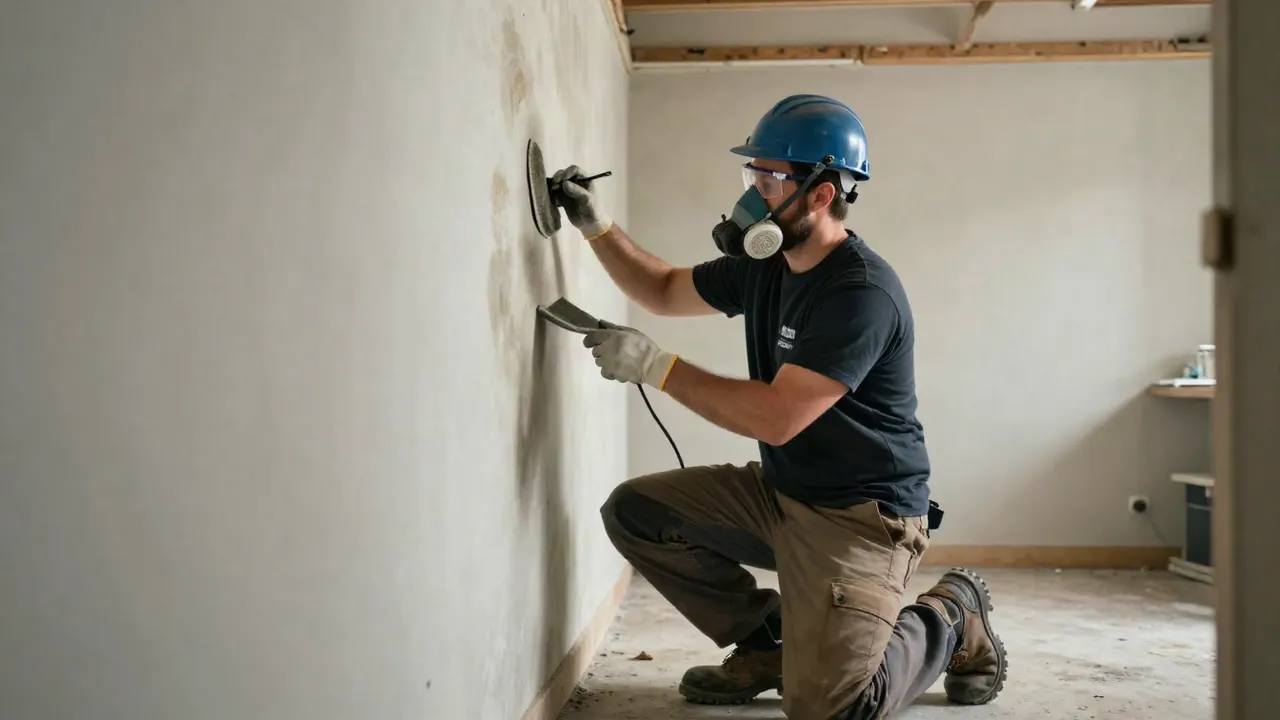 Mold Inspection and TestingThermal imaging narrows down where mold is likely growing. Our mold inspection team then takes air and surface samples, sends them to a lab, and gives you a written report with the species and spore counts so you know exactly what you are dealing with.Explore →
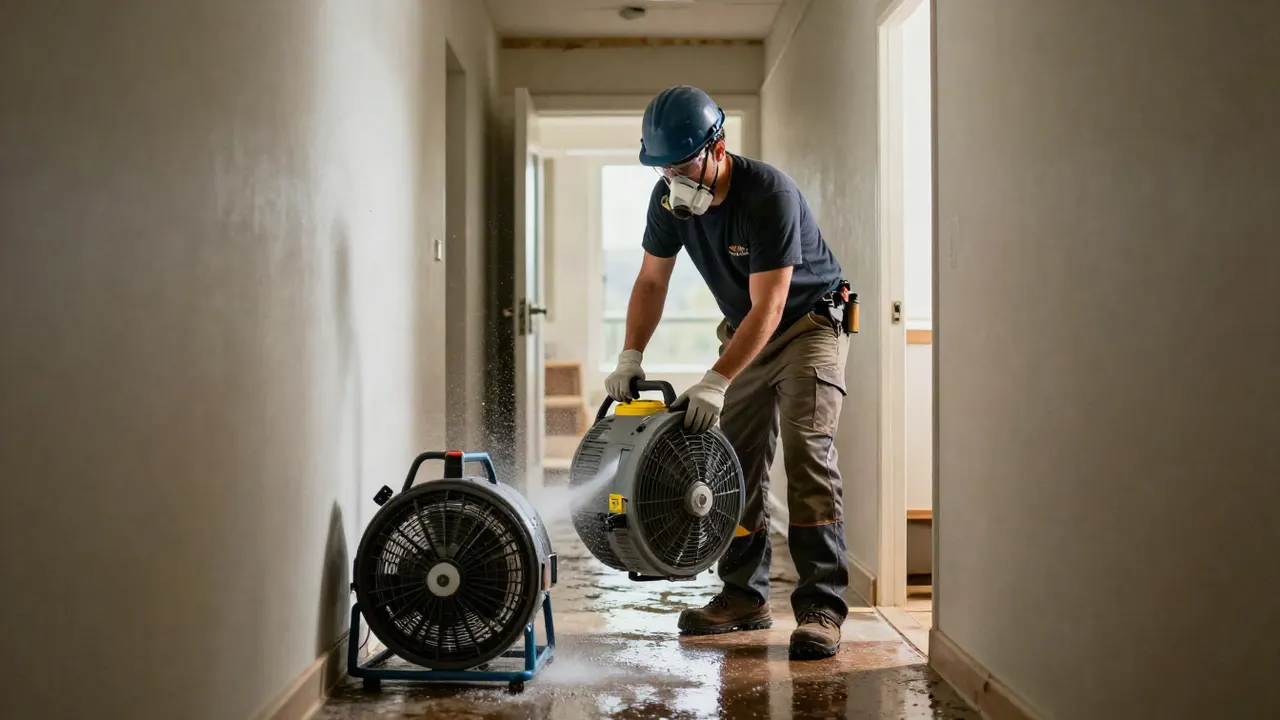 Dehumidification and DryingMoisture mapping tells us where to place Dri-Eaz and Phoenix dehumidifiers for maximum effect. We monitor with hygrometers daily and adjust equipment until every reading hits dry standard, usually within 3 to 5 days.Explore →
If you smell something musty, see a stain spreading, or just got hit with a surprise water bill, call us. We run 24/7, we show up when we say we will, and we hand you the readings before we leave. One call gets a technician on the way.
Schedule Inspection 5717604393 →Call us any time, day or night, at 571-760-4393. We answer live, ask a few questions to size the job, and dispatch the nearest crew. Most Falls Church addresses see a technician within 60 to 90 minutes. If you prefer email, send photos and a description to info@waterdamagefallschurchva.com and we will get back to you fast.