Cupped planks after a slow appliance leak
We extract the residual water, set air movers to dry the surface evenly, and monitor readings daily. Most cupped floors flatten within 4 to 6 days of controlled drying.
Hardwood Floor Drying Falls Church VA is the controlled process that pulls standing water and trapped moisture out of oak, maple, and engineered planks before they cup, crown, or buckle. If a burst pipe, appliance leak, or sump pump failure soaked your floors, our team extracts the water, maps the moisture, and dries the wood in place. We serve homeowners across Falls Church, VA and the surrounding neighborhoods, 24/7.
Tell us what is happening. Our local team will confirm your visit shortly.
Call Now 5717604393 → No spam. No obligation. Just practical help.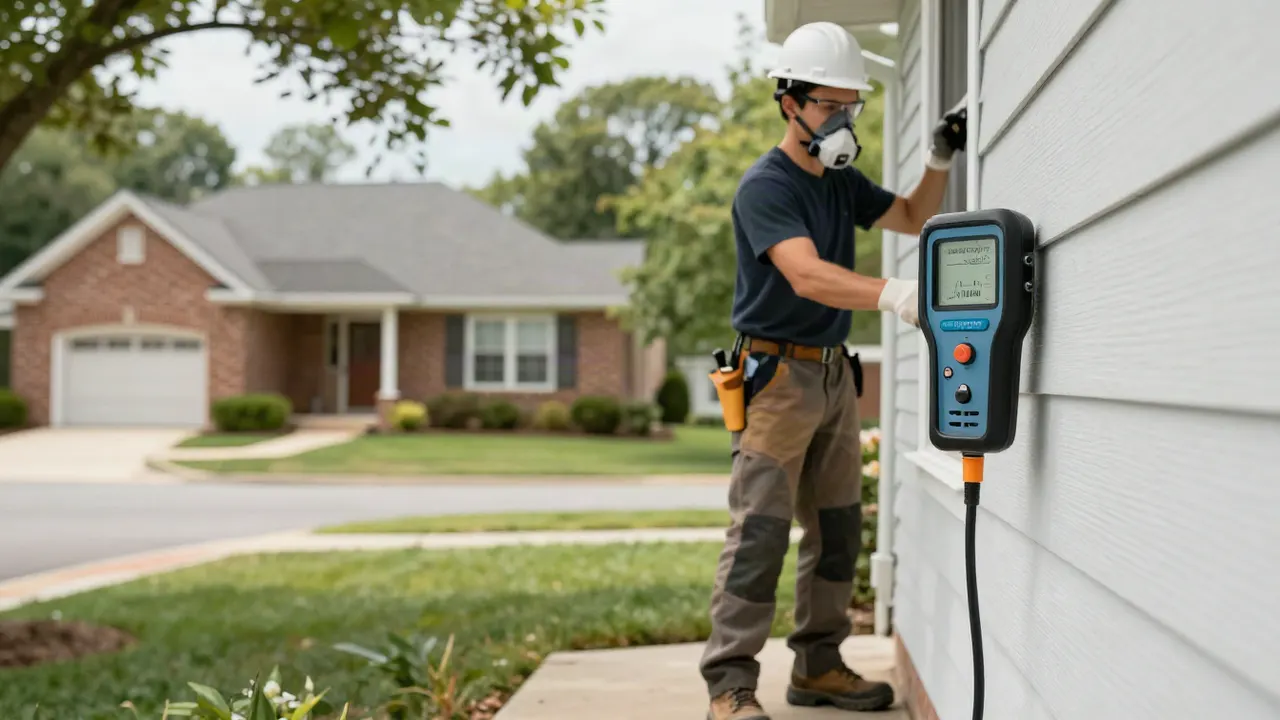
Hardwood Floor Drying Falls Church VA is a water damage service that removes standing water and bound moisture from solid and engineered wood flooring using extraction units, air movers, and refrigerant dehumidifiers. Wood is hygroscopic, meaning it absorbs and releases moisture with the air around it. When a supply line lets go at 2 a.m., planks can soak up water within hours, and the edges swell faster than the center, which is what causes cupping. We dry the floor in place whenever the wood can still be saved.
Falls Church homes get hit in predictable ways. The city's older housing stock, much of it built between the 1920s and 1960s, still runs original galvanized supply lines and cast iron drains that corrode from the inside. Add slab leaks under finished basements, sump pump failure during spring storms, and appliance leaks from aging water heaters, and you have a steady stream of wet hardwood calls. When you search for hardwood floor drying near me Falls Church VA, you want a crew that understands how these older homes hold moisture.
Every hardwood floor drying job includes the diagnostic work, the equipment, the daily monitoring, and the final moisture report. Refinishing and board replacement are separate scopes, and we tell you upfront if either is needed.
We take pin and pinless readings across the whole floor, use a thermal imaging camera to find hidden wet zones, and log everything on a moisture map. This is the baseline that drives the rest of the job.
Standing water comes out with a water extraction unit and wet/dry vacuum. We run absorbent pads along the seams to pull water out of the gaps between planks, then check the subfloor with a borescope camera.
We position air movers along the walls and set a refrigerant dehumidifier to pull moisture out of the room air. A hygrometer tracks relative humidity, and we keep it under 50 percent until the wood reads dry.
We apply an antimicrobial solution to the subfloor and joists before drying starts. That stops mold from taking hold while the wood is still wet, which is the window when mold growth is most likely.
A technician checks moisture readings every 24 hours, adjusts equipment placement, and logs everything. When the wood reads within 2 percentage points of a dry reference, you get a final report with photos and daily readings.
You call, we roll. A technician arrives with a moisture meter, thermal imaging camera, and infrared thermometer to find the wet zone. We shut off the water source if it is still running, then walk the room with you and mark the wet perimeter. Most Falls Church calls get a truck on-site within 60 to 90 minutes.
We pull standing water with a water extraction unit and wet/dry vacuum, then run absorbent pads along the seams to wick moisture out of the gaps between planks. Extraction usually takes 1 to 3 hours depending on how much water is sitting on the floor and whether it has reached the subfloor.
We take pin and pinless readings across the whole floor, log them on a moisture map, and compare wet zones to a dry reference area in another room. A borescope camera checks the subfloor and joist bays. This baseline tells us exactly where to aim the drying equipment.
We set air movers along the walls to keep air moving across the surface, and a refrigerant dehumidifier to pull moisture out of the room air. A hygrometer tracks relative humidity. Drying runs 3 to 5 days for most jobs, and we check readings every 24 hours to adjust equipment placement.
We do not pack up until the wood reads within 2 percentage points of the dry reference and the subfloor is dry. You get a final moisture report with daily readings, photos, and equipment logs. If the floor needs refinishing, we tell you before we leave.
Purpose-built equipment, used by trained technicians — so the job is done accurately the first time.
Reads moisture content in the wood surface and core. We use it to set the baseline and to confirm the floor is dry before we pull equipment.
Finds hidden wet zones behind walls and under floors by reading temperature differences. It shows us where water traveled that the eye cannot see.
Pulls moisture out of the room air so the wood releases its moisture faster. We route the condensate line to a drain and run it continuously.
Keep air moving across the floor surface to speed evaporation. We position them along walls and aim them across the wet zone.
Removes standing water from the floor and seams before drying starts. Fast extraction cuts drying time by a full day or more.
Lets us look under the floor and into joist bays without tearing anything up. We use it to confirm whether the subfloor is wet.
Tracks relative humidity and surface temperature so we can adjust equipment and keep the drying chamber in the right range.
A supply line burst under the kitchen sink and ran for about six hours before the homeowner got home. The oak floor in the kitchen and hallway was cupped, and moisture readings hit 24 percent in the wettest zone.
We extracted the standing water, set air movers and a Dri-Eaz dehumidifier, and dried the floor over five days. Final readings came in at 8 percent, matching the dry reference room. The floor was refinished in place with no board replacement.
A sump pump failed during a spring storm and the finished basement took on an inch of water. The engineered hardwood was soaked, and the baseboards were wicking water up the walls.
We extracted the water, pulled the baseboards to release trapped moisture, and ran dehumidifiers and air movers for four days. The floor dried flat with no cupping, and the baseboards went back on after the walls dried.
A dishwasher supply line leaked overnight and soaked the kitchen hardwood. The homeowner found standing water at 6 a.m. and called us right away. Moisture readings were 19 percent in the wet zone.
We extracted the water, mapped the moisture, and dried the floor and subfloor in three days. Final readings matched the dry reference room. The Xactimate report supported the insurance claim, and the floor needed only a light refinish.
Wet hardwood gets worse every day it sits. Here are the problems we see most often in Falls Church, and what happens if you wait.
Ask a pro →We extract the residual water, set air movers to dry the surface evenly, and monitor readings daily. Most cupped floors flatten within 4 to 6 days of controlled drying.
We apply antimicrobial solution, run air scrubbers, and dry the wood and subfloor together. If mold has already taken hold, we bring in mold remediation before drying finishes.
We use thermal imaging to trace the slab leak, dry the wood from the surface and the subfloor side, and tell you honestly whether the boards can be saved or need to come up.
We use a borescope camera and moisture mapping sensors to find hidden wet zones, then dry the floor and the slab underneath until both read dry.
$1,200 - $3,800 depending on scope
Typical 2026 pricing for hardwood floor drying in Falls Church runs $1,200 to $3,800, depending on square footage, how deep the water went, and how many days of drying are needed. A single room with light moisture might land near $1,400. A whole first floor with a saturated subfloor can push past $3,500. We give you a written price before we start, and that price covers the equipment, the daily monitoring, and the final moisture report. If you are comparing hardwood floor drying near me quotes, ask whether the price includes daily monitoring, because that is where cheap quotes cut corners.
Drying costs a fraction of replacement. A 500-square-foot hardwood replacement runs $4,000 to $8,000 and takes weeks. Drying the same floor usually costs less than half that and keeps the floor you already have.
The bigger the wet zone, the more equipment and the more days of drying. A 200-square-foot room dries faster and cheaper than a 1,000-square-foot first floor.
Surface moisture dries in 2 to 3 days. Water that reached the subfloor or joists adds 2 to 4 days and more dehumidifier capacity, which raises the cost.
Solid hardwood dries differently than engineered planks glued to a slab. Glued-down engineered floors take longer and need more careful monitoring.
Every extra day of equipment rental and monitoring adds to the bill. Most jobs run 3 to 5 days, but a slow leak that ran for weeks can take 6 to 8.
“Our water heater let go on a Friday night and soaked the oak floor in the hallway. The crew was here in under an hour, pulled the water, and set up drying equipment. Five days later the moisture readings matched the dry room and the floor never cupped. They saved us from a full replacement.”
Karen M.Homeowner, Broadmont
✓ Verified“A supply line burst behind the fridge while we were at work. The kitchen hardwood was soaked. They mapped the moisture, showed me the readings on the thermal camera, and dried the floor in four days. The Xactimate report made the insurance claim painless.”
David R.Homeowner, Greenway Downs
✓ Verified“Our sump pump failed during a spring storm and the basement floor was under an inch of water. They extracted everything, dried the engineered hardwood, and checked readings every day. Honest pricing, no upsell on replacement. I would call them again without hesitation.”
Priya S.Homeowner, Seven Corners
✓ VerifiedMost hardwood floor drying jobs in Falls Church run $1,200 to $3,800 in 2026, depending on square footage, how deep the water went, and how many days of drying are needed. A single-room job with 3 days of equipment might land near $1,400. A whole first floor with subfloor saturation can push past $3,500. We give you a written price before we start.
Yes, in most cases, if you call within 24 to 48 hours. Solid hardwood that has cupped but not crowned can usually be dried and refinished. Engineered planks with a glued-down installation are trickier, but many can still be saved. We use moisture mapping and a borescope camera to check the subfloor before we commit to drying over replacement.
Plan on 3 to 5 days for most jobs. A small area with light moisture might dry in 2 to 3 days. A saturated subfloor with a slow leak that ran for weeks can take 6 to 8 days. We check moisture readings every 24 hours and do not pull equipment until the wood reads within 2 percentage points of a dry reference sample.
Not usually. Replacement is only necessary when the planks have crowned, delaminated, or grown mold through the thickness of the wood. If the damage is cupping and surface moisture, drying and refinishing will bring the floor back. We tell you which category your floor falls into after the first moisture map, before any work begins.
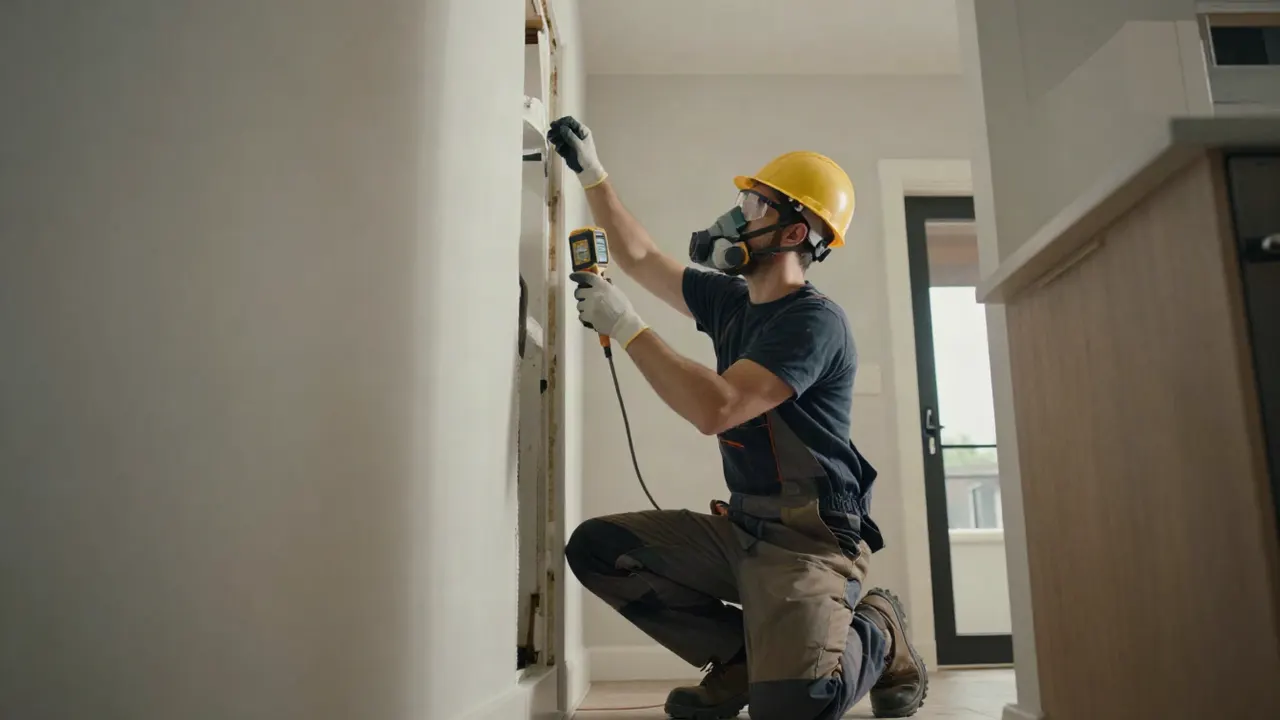 Water Damage RestorationThe full-scope service that includes hardwood floor drying plus wall, ceiling, and subfloor repair. If your leak went beyond the floor, this is where we start.Explore →
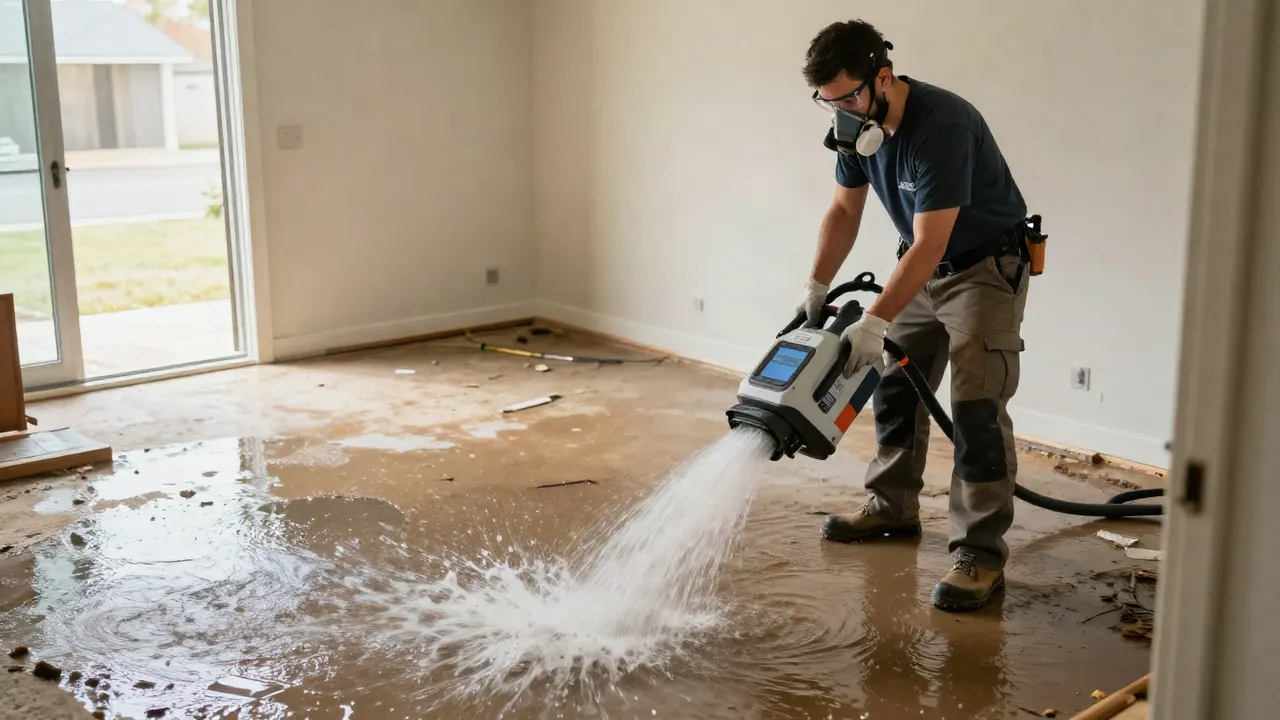 Emergency Water ExtractionStanding water comes out first, before any drying can begin. We run extraction units and wet/dry vacuums to pull water off the floor and out of the seams.Explore →
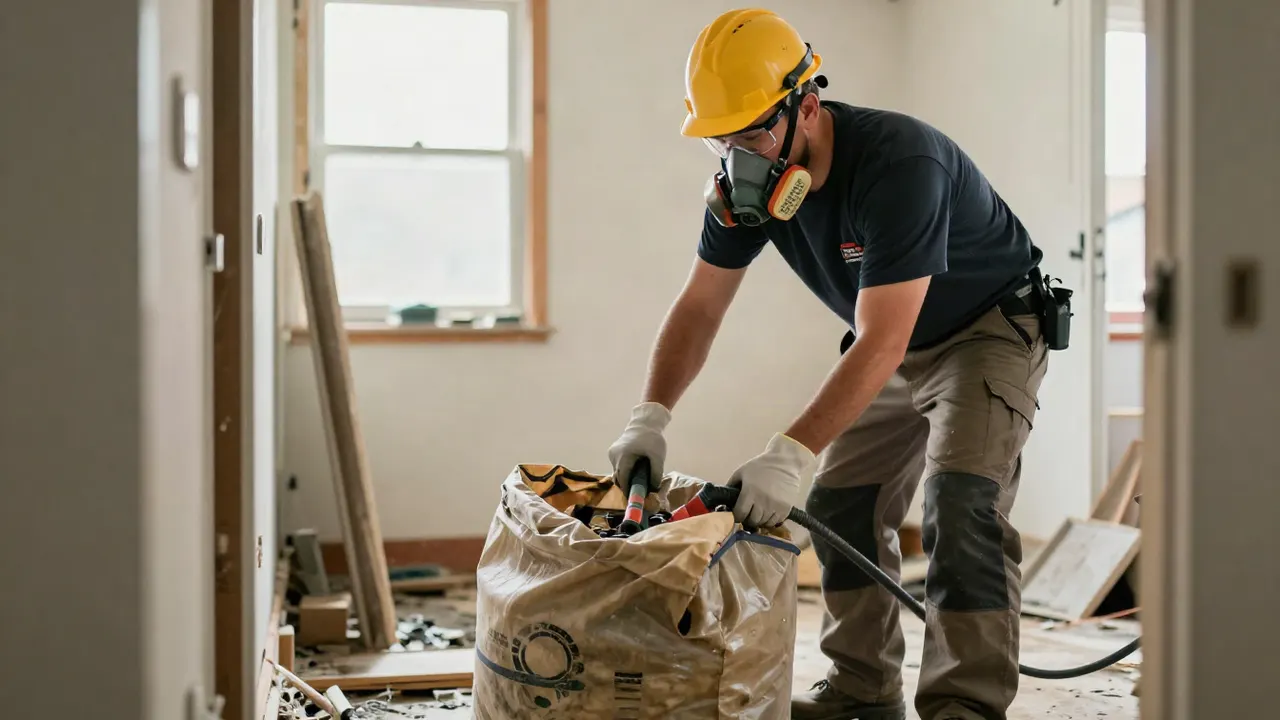 Flood CleanupStorm-driven flooding brings silt and contaminants onto your floors. We extract, clean, and then dry the hardwood so the wood is not sitting in dirty water.Explore →
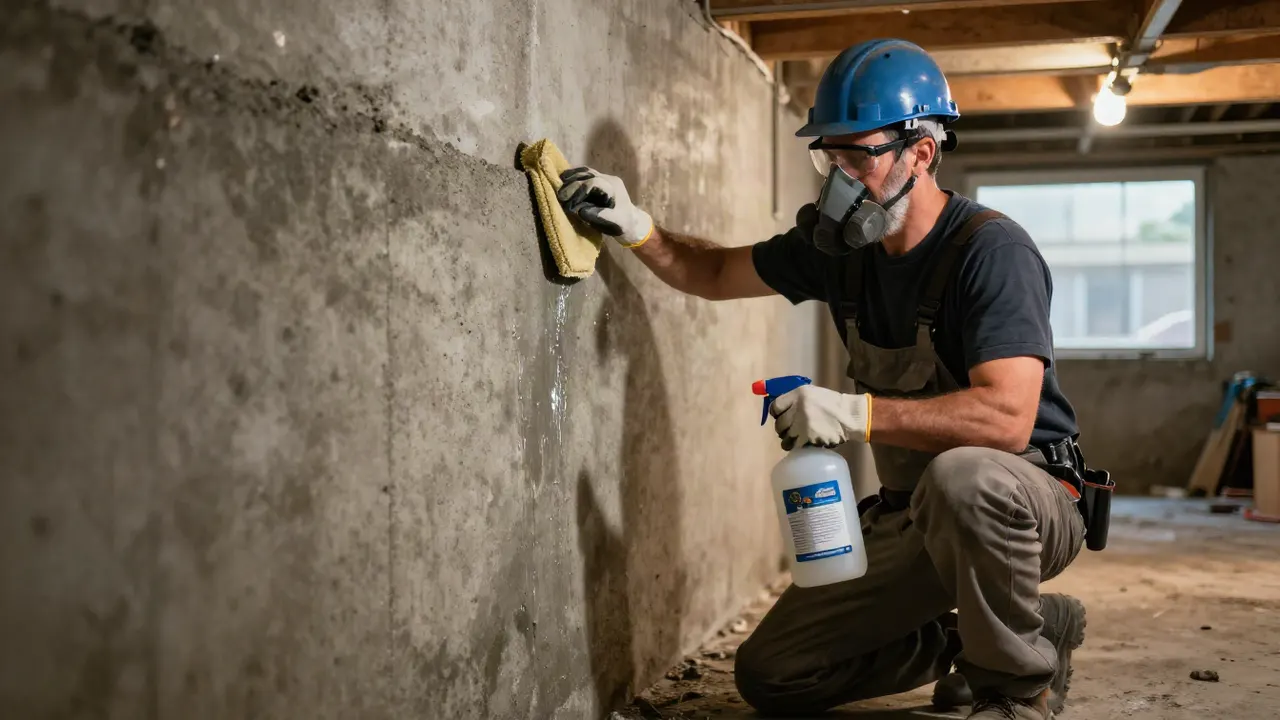 Basement Water RemovalFinished basements with hardwood or engineered floors need fast extraction and drying. We handle sump pump failures and slab leaks that soak basement floors.Explore →
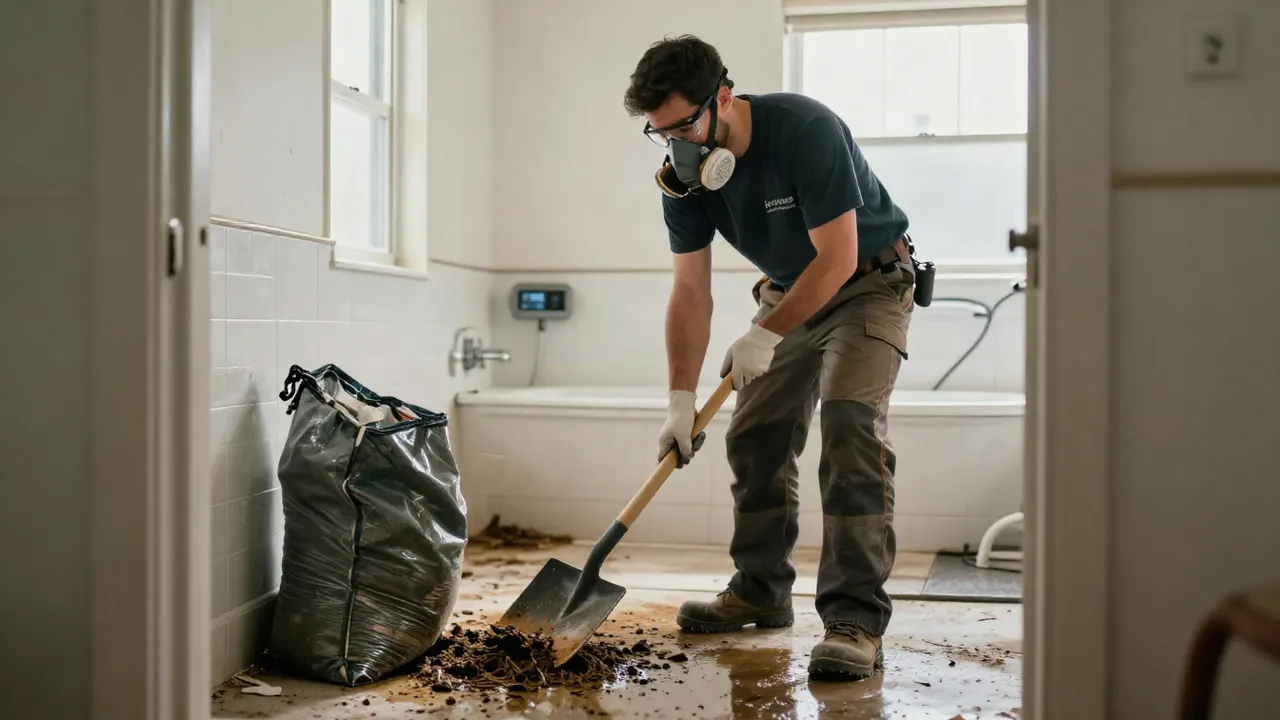 Sewage Backup CleanupCategory 3 water means the floor has to be cleaned and disinfected before drying. We apply antimicrobial solution, then dry the wood to safe moisture levels.Explore →
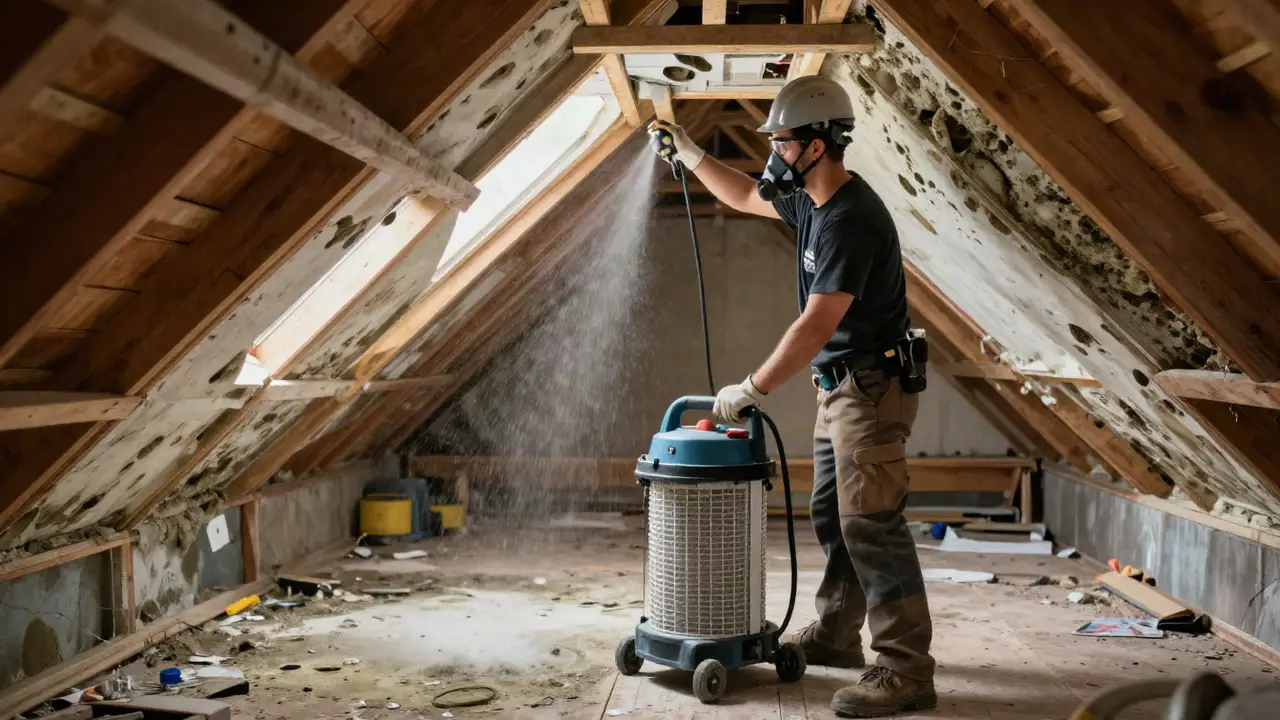 Mold RemediationIf wet hardwood sat too long, mold can take hold on the subfloor and joists. We remediate the mold, then dry the wood so it does not come back.Explore →
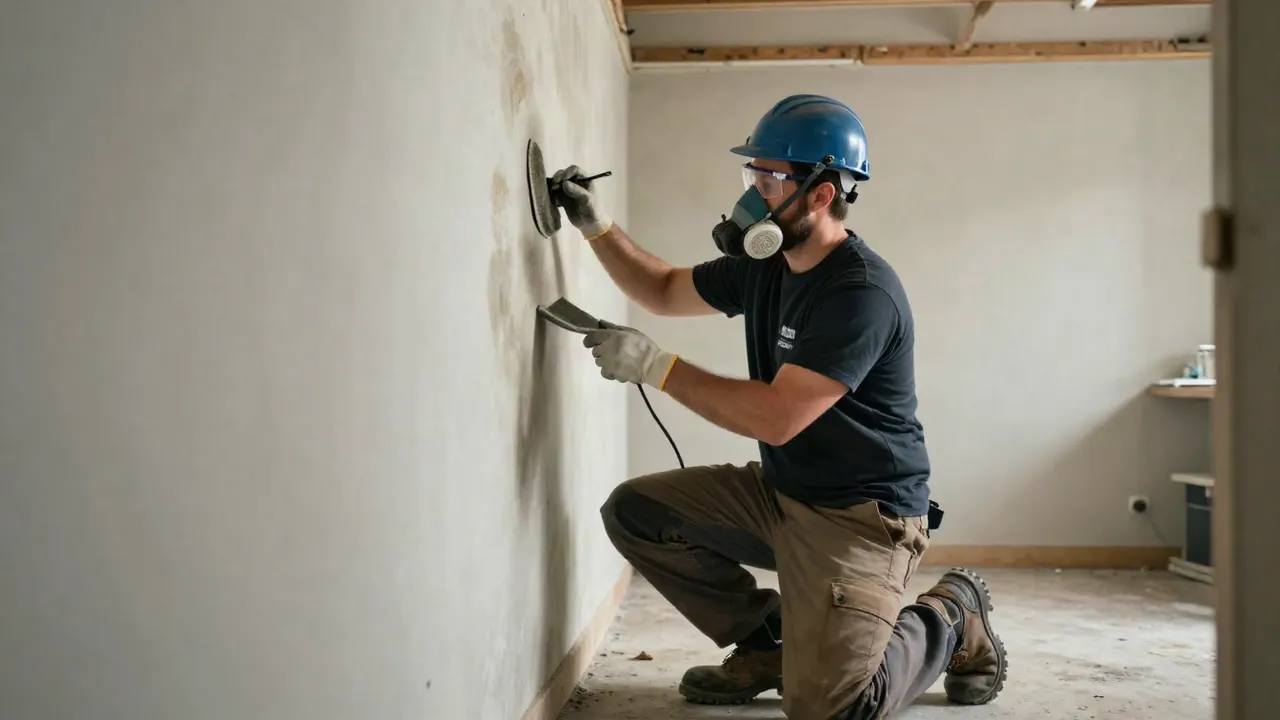 Mold Inspection and TestingAir and surface samples tell you whether the wet floor has already spawned mold growth. We test before and after drying on every job where mold is a concern.Explore →
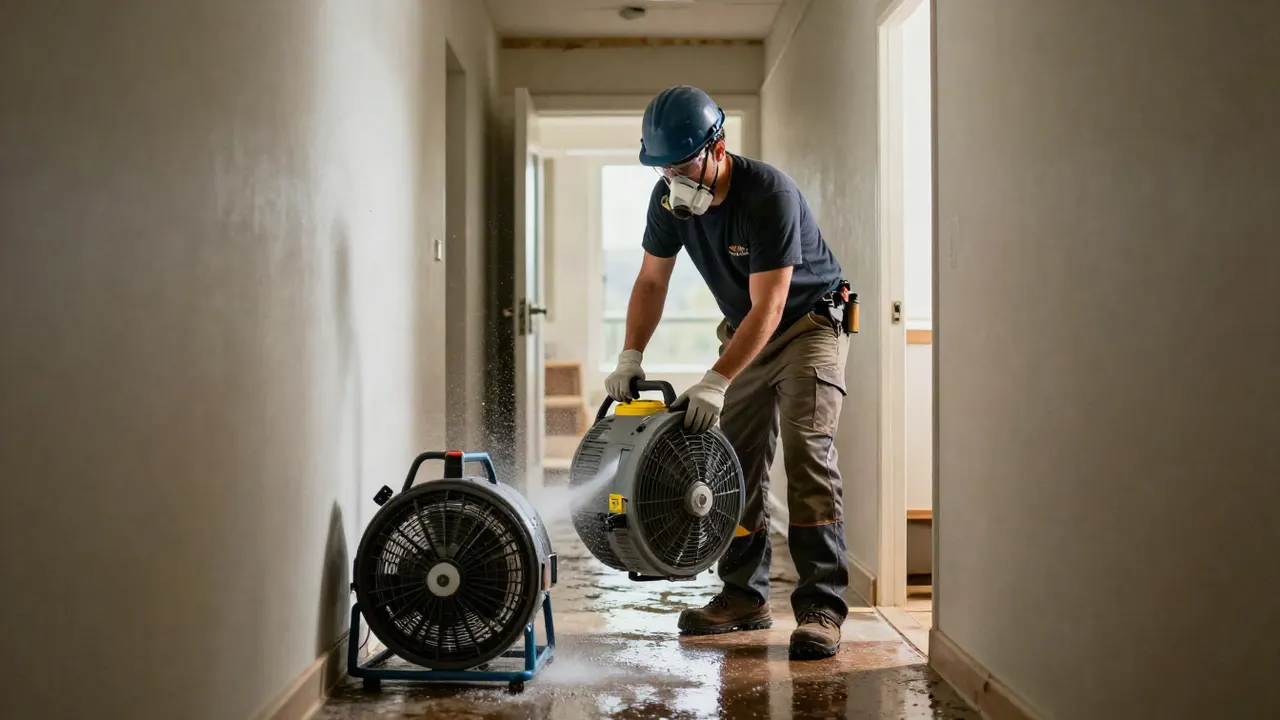 Dehumidification and DryingThe equipment side of hardwood drying: refrigerant dehumidifiers, air movers, and hygrometers working together to pull moisture out of the room air.Explore →
We answer the phone 24/7 and dispatch from Falls Church, so a technician can be at your door in about an hour. Call now and we will extract the water, map the moisture, and start drying your hardwood the same day. Licensed, insured, and IICRC certified.
Call Now 5717604393 →Call us any time, day or night, at 571-760-4393. We answer live, ask a few questions to size the job, and dispatch the nearest crew. Most Falls Church addresses see a technician within 60 to 90 minutes. If you prefer email, send photos and a description to info@waterdamagefallschurchva.com and we will get back to you fast.