What to do in the first hour of a sewage backup
A sewage backup in Falls Church needs a fast, safe first hour. Here are the exact steps to stop the flow, protect your family, and start cleanup right.
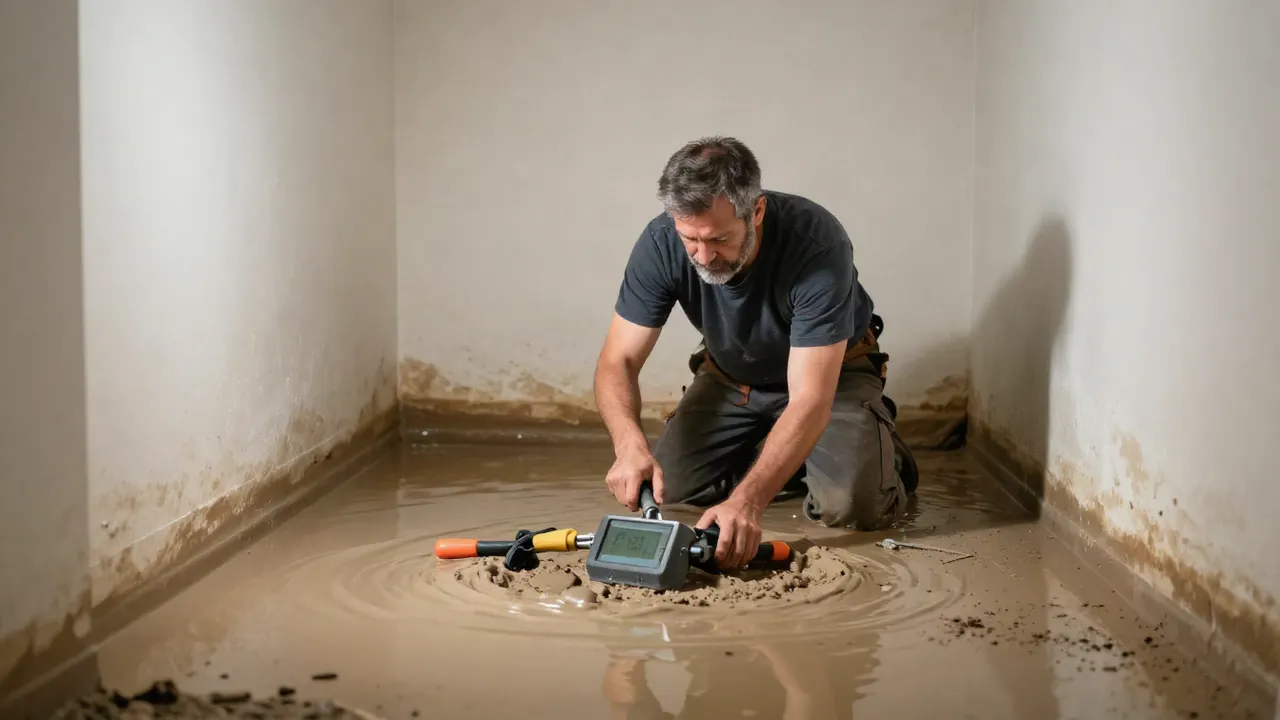
In the first hour of a sewage backup, stop the flow of water, get everyone out of the affected area, and call a licensed cleanup crew before you touch anything. Sewage is Category 3 water - it carries bacteria, viruses, and parasites that cause real illness - so the first hour is about containment and safety, not scrubbing floors.
We handle sewage backups across Falls Church every week, from 1920s bungalows near Broadmont to split-levels in West Falls Church. Here is exactly what to do in the first hour, what to avoid, and when to bring in a professional.
Stop the flow and get everyone away from the water
Stop the source first. If the backup is coming from a floor drain, toilet, or shower, shut off the main water valve to the house - usually in the basement, crawl space, or a utility closet near the front wall. If you cannot find it, call the Falls Church Department of Public Works at 703-248-5000 during business hours, or the after-hours emergency line, and tell them sewage is entering your home. They can confirm whether the blockage is on the city main or your private lateral.
Get children, pets, and anyone with a compromised immune system out of the affected rooms immediately. Sewage backup water is not like a clean water leak from a supply line - it is contaminated at the source. Do not walk through it in socks or bare feet. If you must cross the area, wear rubber boots and gloves, and plan to throw them away or disinfect them afterward.
Open windows and run box fans only if the outside air is drier than inside - in November, that is usually true in Falls Church. If the backup is in a basement, do not run the HVAC system; it can pull contaminated air through the whole house.
Why sewage backup water is dangerous in Falls Church VA
Sewage backup water is classified as Category 3 - the most contaminated category in the water damage industry - because it contains human waste, E. coli, salmonella, hepatitis A, and norovirus. In Falls Church, the risk is compounded by the age of the housing stock. Many homes in Falls Church City Center and Downtown Falls Church were built before 1960, and their cast iron drain lines and clay lateral connections are prone to root intrusion and collapse.
When a lateral fails, sewage does not just back up once. It can seep into the foundation, wick up drywall, and soak into the subfloor. Within 24 to 48 hours, mold can begin colonizing wet organic materials. That is why the first hour matters so much - every minute you delay extraction, the contamination spreads further into the structure.
A common mistake we see is homeowners treating a sewage backup like a clean water leak. They mop it up, run a shop vac, and spray bleach. That approach spreads bacteria rather than removing it, and it almost always leaves contamination behind in the grout, drywall, and framing.
Document everything before anything gets moved
Document the damage before you move or throw away anything. Your insurance adjuster will want to see the extent of the backup, the affected rooms, and the damaged contents. Take wide photos of each room, then close-ups of the water line on walls, damaged furniture, and any ruined flooring.
Write down the date and time you noticed the backup, the approximate depth of standing water, and which fixtures were affected. If you have a sump pump or backwater valve, note whether it was working. This record becomes the backbone of your claim.
Do not throw away damaged items yet. Even saturated carpet, padding, and drywall should stay in place until the adjuster or a restoration crew has documented them. If you must remove something for safety, photograph it first and keep a small sample.
What you should never do in the first hour
Never use a wet/dry shop vac on sewage water. Standard shop vacs aerosolize bacteria and push contaminated mist into the air. Never run a household fan or dehumidifier in the affected area before the water is extracted - it spreads contamination. Never use bleach as a first step. Bleach on organic matter is neutralized quickly and does not kill everything in sewage.
Do not walk through the water and then into other parts of the house. Sewage traces on shoes and socks contaminate carpets and floors in clean rooms. Set up a boundary - a piece of tape on the floor works - and keep everyone on the clean side.
Do not pour chemical drain cleaner down the affected drain. If the blockage is in the city main, the cleaner will not help, and it creates a hazardous chemical mix for whoever opens the line later.
When to call a professional
Call a professional the moment you confirm the backup is sewage, not clean water. Sewage backup cleanup requires extraction equipment, hospital-grade disinfectants, and in many cases removal of contaminated drywall, insulation, and flooring. Our team at Water Damage Falls Church VA handles the full scope: we stop the source, extract the water, remove contaminated materials, disinfect, dry the structure, and verify with moisture meters before we close up.
If the backup is in a finished basement, a crawl space, or anywhere near electrical outlets or a furnace, do not attempt any cleanup yourself. Call us and stay out of the area. We can be on-site in Falls Church quickly and we will tell you exactly what needs to happen before we start.
If you are dealing with a backup that has spread into multiple rooms or soaked into carpet and padding, our Sewage Backup Cleanup Falls Church VA team handles extraction, disinfection, and disposal of contaminated materials. For backups that have reached a basement or crawl space, we also provide Basement Water Removal Falls Church VA to get standing water out fast and prevent further wicking into the foundation.
If the backup happened because of a failed sump pump during a heavy rain - common in the older homes around Water Damage in Seven Corners - we can also address the pump failure and dry the space before mold sets in. And if the sewage has been sitting for more than a day, we recommend a Mold Inspection and Testing Falls Church VA to check for hidden growth behind walls and under flooring.
How much does sewage backup cleanup cost in Falls Church?
Typical 2026 pricing for sewage backup cleanup in Falls Church runs $1,200 to $4,500 for a single affected room, and $5,000 to $12,000 or more when the backup reaches a finished basement or multiple rooms. The range depends on how much contaminated material has to be removed, whether drywall and insulation are affected, and how long the water sat before extraction.
Most homeowners insurance policies in Virginia cover sudden and accidental sewage backups only if you have added a sewer backup endorsement. That endorsement typically costs $50 to $150 per year and raises your coverage limit to $10,000 or $25,000. If you do not have it, the cleanup is usually out of pocket. We provide a written scope and price before we start so you know exactly what your claim or your budget needs to cover.
Frequently Asked Questions
What should I do first in a sewage backup in Falls Church?
Shut off the main water valve, get everyone out of the affected area, and call a licensed cleanup crew. Do not touch the water or try to mop it up. If the backup is from the city main, call Falls Church Public Works at 703-248-5000 to report it.
Is sewage backup water dangerous in Falls Church VA?
Yes. Sewage is Category 3 water, meaning it contains bacteria, viruses, and parasites that cause illness. In Falls Church's older homes, cast iron and clay lines make backups more likely, and contamination can soak into drywall, insulation, and subfloor within hours.
Who do I call for sewage backup cleanup in Falls Church?
Call a licensed water damage restoration company that handles Category 3 contamination. Water Damage Falls Church VA provides emergency sewage backup cleanup, extraction, disinfection, and drying. We can be on-site quickly and work directly with your insurance adjuster.
How much does sewage backup cleanup cost in Falls Church?
In 2026, expect $1,200 to $4,500 for one room and $5,000 to $12,000 or more for a finished basement. Cost depends on how much contaminated material must be removed and how long the water sat. A sewer backup endorsement on your policy usually covers it.
Does insurance cover sewage backup in Falls Church?
Only if you have a sewer backup endorsement. Standard Virginia homeowners policies exclude sewage backups unless you add that rider, which costs roughly $50 to $150 per year and typically covers $10,000 to $25,000. Check your declarations page before you file.
Get help with Water Damage in Falls Church
If you are standing in sewage right now, do not wait. Our team at Water Damage Falls Church VA is ready to respond, extract the water, disinfect the space, and dry it out before mold takes hold. Call us at 571-760-4393 and we will walk you through the next step while we are on the way.