How to Dry Out a Wet Crawl Space in Falls Church
A wet crawl space in Falls Church dries in 3 to 5 days with proper extraction, airflow, and dehumidification. Here is the step-by-step process we use.
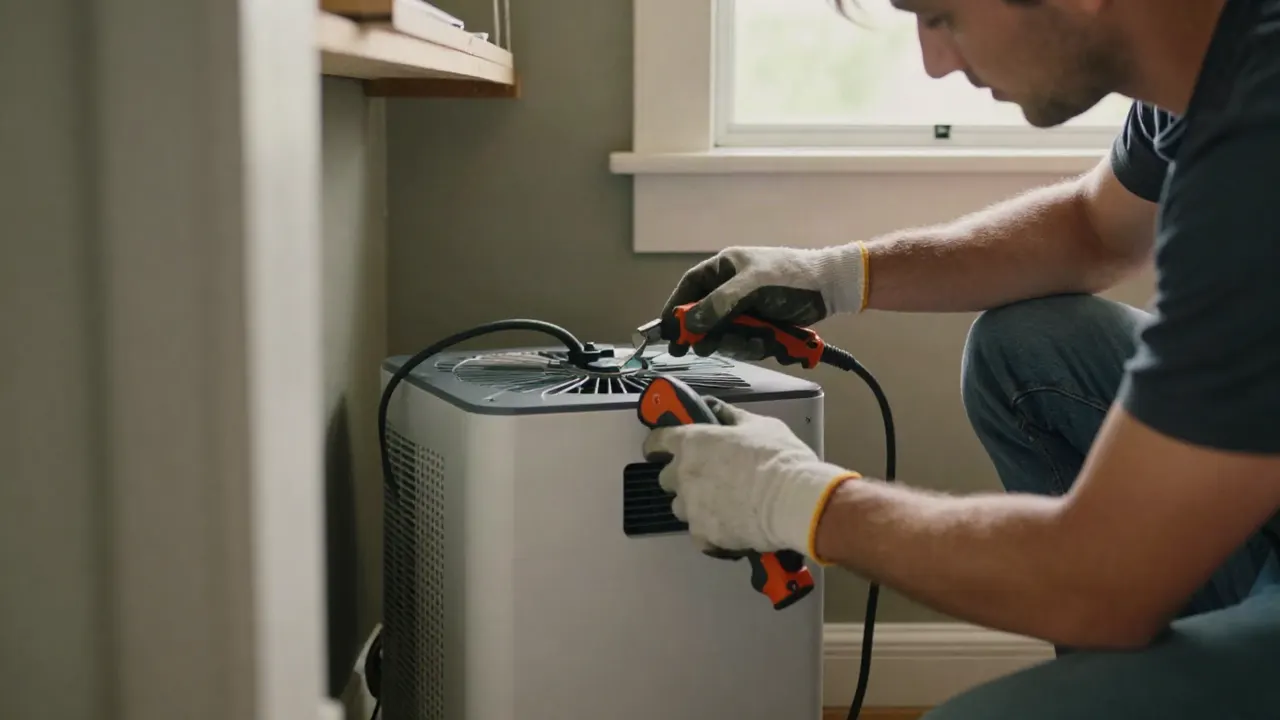
You dry out a wet crawl space in Falls Church by removing standing water first, then running high-capacity dehumidifiers and fans until the wood moisture content drops below 16 percent - usually 3 to 5 days. Doing it in the wrong order, or skipping the moisture readings, is why so many crawl spaces here stay damp for weeks and grow mold.
We handle crawl space water removal and dehumidification across Falls Church every week, from 1920s bungalows near Broadmont to newer builds off Route 7. This guide walks through what causes the flooding, the exact drying sequence we use, how long it takes, and when encapsulation is worth the money.
Why a Wet Crawl Space in Falls Church Dries So Slowly
A wet crawl space in Falls Church dries slowly because the space has almost no air exchange, sits below grade, and pulls groundwater through the same soil that surrounds your foundation. A typical Falls Church crawl space is 18 to 30 inches tall with two or three foundation vents. That is not enough ventilation to move the 15 to 25 gallons of water vapor a damp crawl space releases every day.
Add our local climate and the math gets worse. Falls Church averages around 43 inches of rain per year, and July and August humidity regularly sits above 70 percent. When that humid air enters through open vents, it condenses on cool joists and ductwork. The wood never gets a chance to dry between storms.
Older homes in Falls Church City and Seven Corners were built before vapor barriers were standard. Many still have bare dirt floors. That dirt releases moisture into the crawl space 24 hours a day, whether it rained last week or not.
What Causes a Wet Crawl Space in Falls Church?
A wet crawl space in Falls Church is usually caused by one of six things: poor grading, failed downspouts, a high water table, plumbing leaks, foundation cracks, or a sump pump that stopped working. Finding the source matters more than drying speed, because a crawl space that floods twice a year will keep flooding until the water path is fixed.
Here is what we find most often on calls around the city:
- Grading that slopes toward the house. Common in older Broadmont and Hillwood lots where soil has settled over decades.
- Downspouts dumping within 3 feet of the foundation. Water runs straight back to the footing.
- A failed sump pump. We see this most after spring storms and during power outages.
- Plumbing leaks under the floor. A slow drip from a supply line can soak 50 square feet of soil in a month.
- Foundation cracks and failed mortar joints. Typical in pre-1950 masonry.
- No vapor barrier, or a torn one. Bare dirt is the single biggest moisture source we encounter.
If your crawl space floods after heavy rain, the fix is drainage and grading. If it stays damp year-round with no standing water, the fix is usually a vapor barrier plus a dedicated dehumidifier. Different problems, different solutions.
How to Dry Out a Wet Crawl Space in Falls Church VA: Step by Step
How to dry out a wet crawl space in Falls Church VA comes down to sequence: stop the water, remove what is standing, then dry the structure and the air. Skipping step one means you are drying water that is still coming in.
Step 1: Stop the water source
Shut off the supply if a pipe is leaking. Clear the sump pit and confirm the pump runs. If the water is groundwater, you cannot stop it - you manage it with drainage and a sump system.
Step 2: Remove standing water
We use truck-mounted and portable extraction units to pull standing water out fast. A wet/dry shop vac handles a puddle; it does not handle 2 inches of water across 800 square feet. For that, you need Crawl Space Water Removal Falls Church VA with commercial extraction equipment.
Step 3: Remove soaked debris and insulation
Cardboard, stored boxes, and wet fiberglass insulation all hold water and have to go. Wet insulation against a joist is a mold farm. We bag it, haul it out, and replace it after the structure is dry.
Step 4: Set up airflow and dehumidification
This is where most DIY attempts fail. A box fan from the hardware store moves air but does not remove moisture. You need a low-grain refrigerant dehumidifier rated for the cubic footage, plus air movers aimed along the joists. We run Dehumidification and Drying Falls Church VA equipment that pulls 80 to 130 pints per day and holds the space at 30 to 40 percent relative humidity.
Step 5: Monitor moisture content daily
We take pin-meter readings on joists, subfloor, and sill plates every day. Wood is considered dry at 12 to 15 percent moisture content. If a reading is not dropping, the equipment is undersized or there is still a water source.
Step 6: Treat for mold if it is already there
If the crawl space has been wet more than 48 hours, assume mold is present. Visible growth, a musty smell, or dark staining on joists means you need Mold Remediation Falls Church VA before you close anything up.
Step 7: Fix the cause and prevent the next flood
Regrade soil away from the foundation, extend downspouts 6 to 10 feet, and install or repair the vapor barrier. If you want a permanent fix, crawl space encapsulation Falls Church Virginia seals the space with a 20-mil liner and a dedicated dehumidifier.
How Long Does It Take to Dry a Crawl Space in Falls Church?
How long it takes to dry a crawl space in Falls Church depends on how much water got in and how long it sat. A small leak that soaked one corner typically dries in 2 to 3 days. A full crawl space flood with standing water takes 4 to 7 days, and sometimes 10 if the joists are saturated and the weather is humid.
Here is the range we see on real jobs:
- Minor leak, under 24 hours wet: 2-3 days
- Standing water, 1-2 inches: 3-5 days
- Flooded crawl space, water sat 3+ days: 5-10 days
- With mold growth present: add 2-4 days for remediation and clearance
Humidity outside matters. A crawl space drying job in August takes longer than the same job in November because the outside air is holding more moisture. That is why we seal vents and dehumidify rather than trying to ventilate our way to dry.
Crawl Space Dehumidification in Falls Church Virginia: What Actually Works
Crawl space dehumidification in Falls Church Virginia works when the dehumidifier is sized to the space, the vents are sealed, and the unit drains automatically. A 1,000-square-foot crawl space needs a unit rated for at least 70 pints per day at 50°F. Undersized units run constantly and never get ahead of the moisture.
Three things separate a system that works from one that does not:
- Sealed vents. Open foundation vents pull in humid summer air. Seal them and let the dehumidifier control the space.
- A vapor barrier. A 20-mil liner over the dirt floor cuts ground moisture by 80 to 90 percent.
- Auto-drain. A unit that fills a bucket will shut off when you are not watching. Plumb the condensate line to a drain or sump.
Typical 2026 pricing in this area runs $1,200 to $2,800 for a sealed vapor barrier and $1,500 to $3,000 for a professionally installed crawl space dehumidifier with drainage. Full encapsulation with liner, insulation, and dehumidifier usually lands between $4,500 and $9,000 depending on square footage and access.
Common Mistakes We See Homeowners Make
The most common mistake is running a fan and calling it drying. Air movement without dehumidification just circulates moisture. Here is what else goes wrong:
- Opening the crawl space vents in summer. That pulls 70-percent-humidity air into a cool space, where it condenses on the joists.
- Leaving wet insulation in place. It holds water against the wood and hides mold growth.
- Skipping moisture readings. A crawl space can look dry on the surface and still be at 25 percent moisture content inside the joists.
- Not fixing the water source. Drying a crawl space that still has a grading problem is a repeat job every storm season.
- Using a household dehumidifier. A 30-pint unit from a big-box store cannot keep up with a 1,200-cubic-foot crawl space.
If you are dealing with a flooded crawl space after a storm, our team handles Water Damage in Seven Corners and the surrounding neighborhoods with the same process - extract, dry, verify, then fix the cause.
When to Call a Professional
Call a professional when the water is more than a puddle, when it has been wet longer than 48 hours, or when you smell that musty crawl space odor. Those three conditions mean mold is likely already growing, and mold remediation is not a DIY job.
You should also call us if the crawl space floods more than once a year, if your sump pump has failed, or if you are seeing sagging floors or high humidity inside the house. We handle Water Damage Restoration Falls Church VA from extraction through final moisture verification, and we tell you upfront what the job costs before we start.
Our team works across Falls Church, including Water Damage in Downtown Falls Church and the older homes near the city center where crawl space moisture is a year-round issue.
Frequently Asked Questions
How do I dry out a wet crawl space in Falls Church?
Remove standing water with a commercial extractor, pull out soaked insulation and debris, then run a low-grain dehumidifier and air movers until wood moisture reads below 16 percent. That takes 3 to 5 days on a typical job. Seal the vents while drying so humid outside air does not undo the work.
How long does it take to dry a crawl space in Falls Church VA?
Most crawl spaces dry in 3 to 5 days. A minor leak dries in 2 to 3 days. A full flood with standing water that sat for several days can take 7 to 10 days, plus 2 to 4 more if mold remediation is needed.
What causes a wet crawl space in Falls Church?
The usual causes are poor grading, downspouts discharging too close to the foundation, a high water table, plumbing leaks, foundation cracks, and a failed sump pump. Older homes in Falls Church City and Seven Corners often also have bare dirt floors with no vapor barrier, which keeps the space damp year-round.
Should I encapsulate my crawl space in Falls Church Virginia?
Yes, if your crawl space floods repeatedly or stays humid year-round. Encapsulation with a 20-mil liner and a dedicated dehumidifier typically runs $4,500 to $9,000 in this area and solves the moisture problem permanently. If the space only flooded once from a specific leak, drying and fixing the leak is enough.
Who does crawl space water removal in Falls Church?
Water Damage Falls Church VA handles crawl space water removal, drying, dehumidification, and encapsulation across Falls Church and the surrounding areas. We extract standing water, dry the structure, verify moisture readings, and fix the underlying cause so it does not happen again.
Get Help with Water Damage in Falls Church
A wet crawl space gets worse every day it stays wet. We extract the water, dry the structure, and fix the source so your floors and joists stay solid.
Call 571-760-4393 and we will get a crew to your Falls Church home today.